Fairhope, AL
Across Alabama and Mississippi, small towns and coastal enclaves offer a slower, more deliberate rhythm of life. We’ve listed a few of the highlights
Alabama
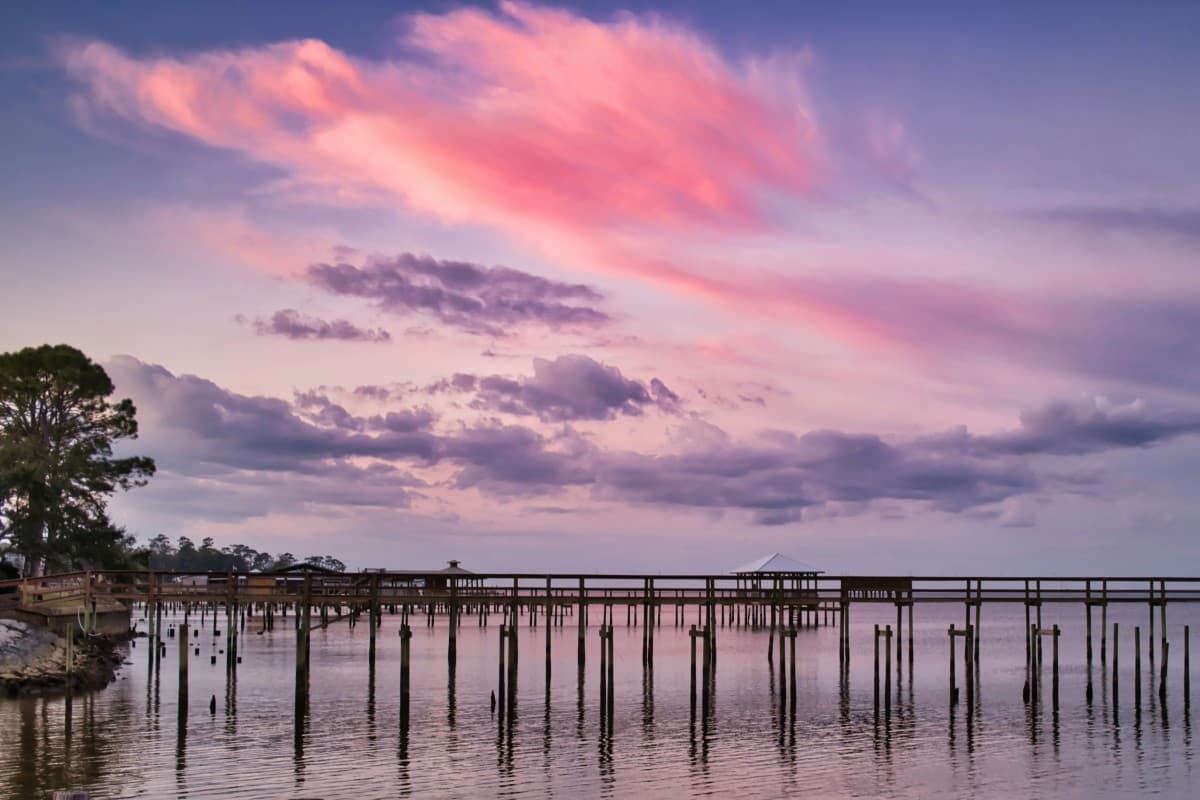
Along Mobile Bay, Fairhope remains one of Alabama’s most recognized small cities for its creative atmosphere and coastal quality of life. Established in the late 19th century, the town has evolved into a center for writers and artists drawn to its walkable downtown and bayfront setting. The Fairhope Pier, originally built in 1906, still serves as a public gathering point, anchoring community life and providing wide views across the bay.
South of Fairhope, Magnolia Springs retains a more residential rhythm. Its “tunnel of trees,” formed by century-old magnolias, frames the main waterway and defines the town’s visual character. The community’s mail-by-boat tradition—one of the last of its kind in the country—dates back more than a century and reflects its long-standing relationship with the river. Waterfront homes here appeal to those looking for privacy and a slower pace without isolation.
In southeastern Alabama, Eufaula sits along the Chattahoochee River and is known for its distinctive architecture. The downtown area reflects a sustained preservation effort; the town’s active civic organizations have kept its historic district vibrant while supporting modern businesses and riverfront development.
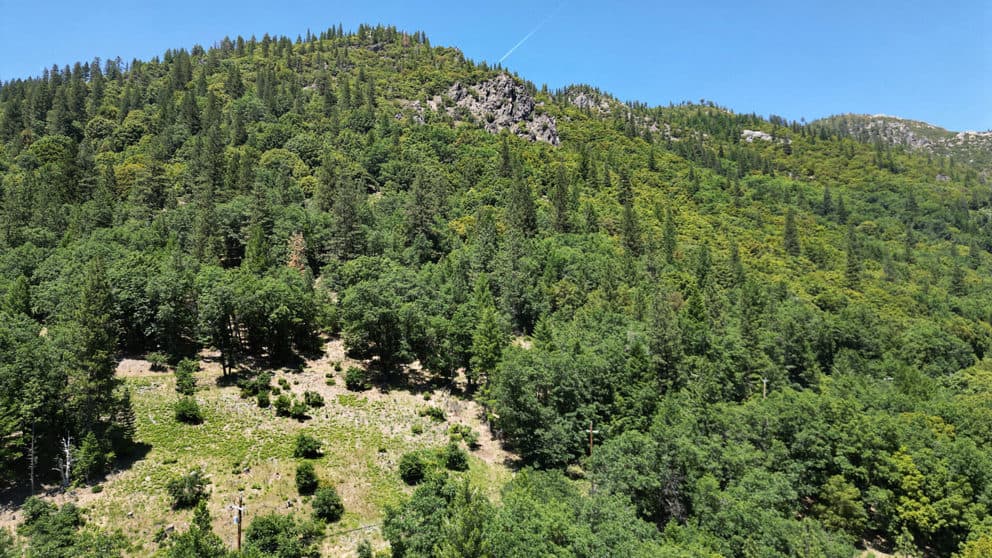
To the north, Mooresville and Mentone present very different landscapes. Mooresville, incorporated in 1818, predates Alabama’s statehood and remains notable for its early 19th-century buildings and compact, village-like layout. Mentone, perched on Lookout Mountain, offers forested surroundings, mountain air, and access to waterfalls and hiking trails. Both communities appeal to those seeking small-scale living environments with a sense of place intact.
SUBSCRIBE TO THE HAVEN MAILING LIST
Curated homes, market intelligence and design stories — a few emails a month.
No spam. Unsubscribe any time.
Mississippi
On Mississippi’s coast, Ocean Springs and Bay St. Louis continue to define the state’s creative and residential revival since post-Katrina redevelopment. Ocean Springs blends art, local food, and coastal ecology; the Walter Anderson Museum of Art anchors its downtown, and independent studios and restaurants maintain the town’s local ownership culture. Bay St. Louis, nearby, offers walkable streets, restored cottages, and access to the beach, positioning it as a coastal community with strong year-round residency rather than seasonal tourism.
Further inland, Natchez, set along the Mississippi River bluffs, has an economy that mixes tourism with community events, preservation programs, and small-business investment. Historic homes are often owner-occupied, and real estate interest remains steady among those who value restoration and established neighborhoods.
In northern Mississippi, Oxford and Columbus demonstrate the state’s literary and academic heritage. Oxford, home to the University of Mississippi, pairs university influence with a well-preserved courthouse square and a thriving independent bookstore and arts scene. The legacy of writer William Faulkner, whose home Rowan Oak remains a museum, continues to shape the city’s identity. Columbus, by contrast, offers quieter historic neighborhoods and significant preservation of 19th-century homes. It is also known as the birthplace of playwright Tennessee Williams and continues to highlight that legacy through local community events.