Woodstock, VT
By early October, foliage is near peak across parts of northern New England and still developing farther south. These four areas are also worth visiting for their homes, streets, restaurants, and outdoor recreation.
Woodstock, Vermont
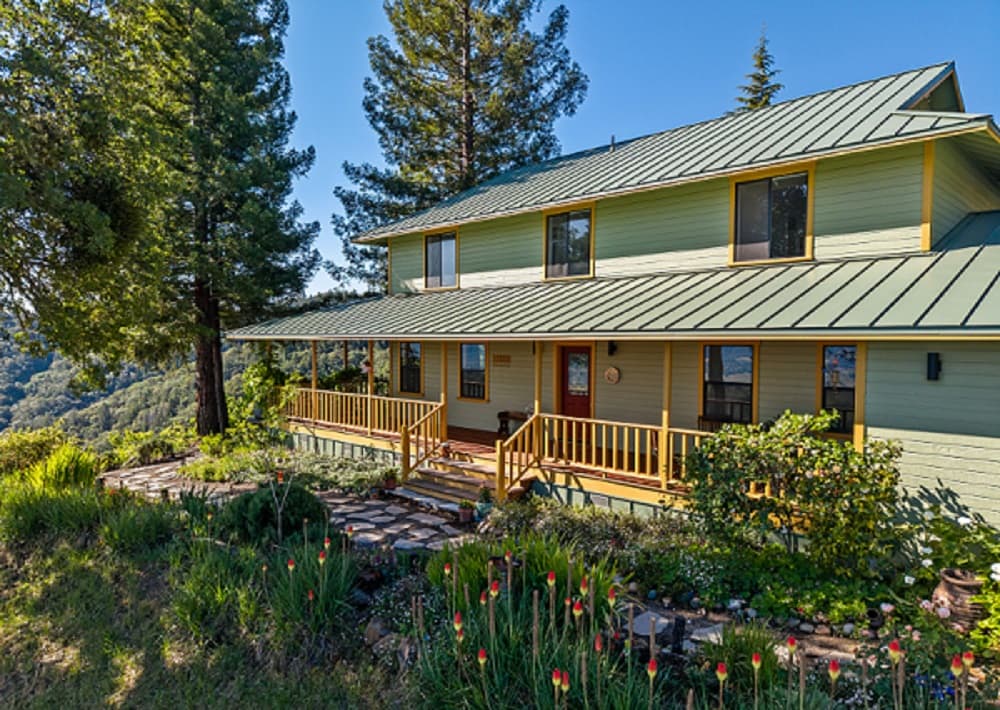
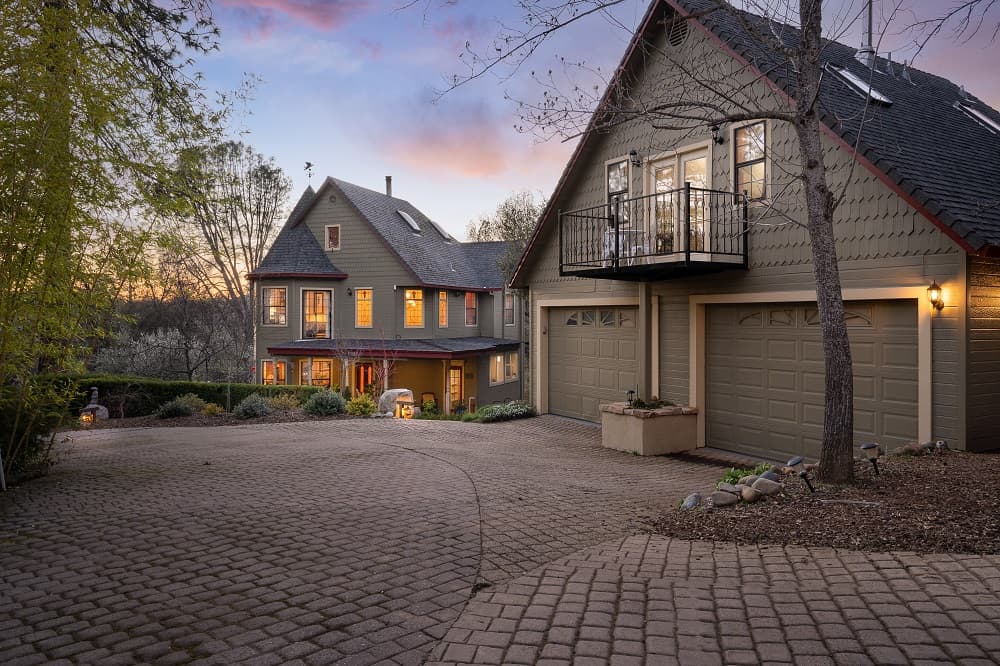
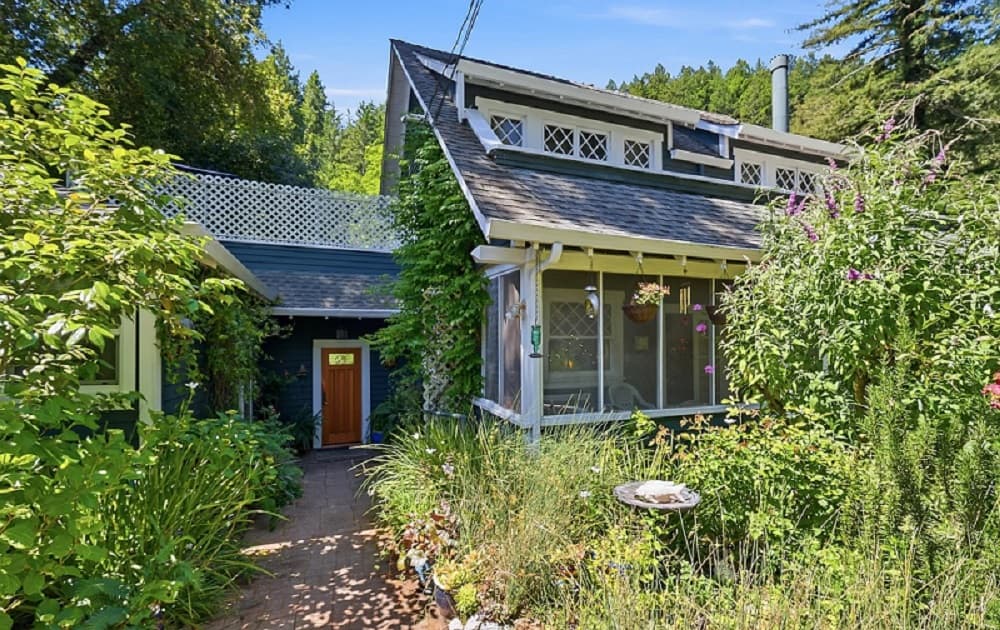
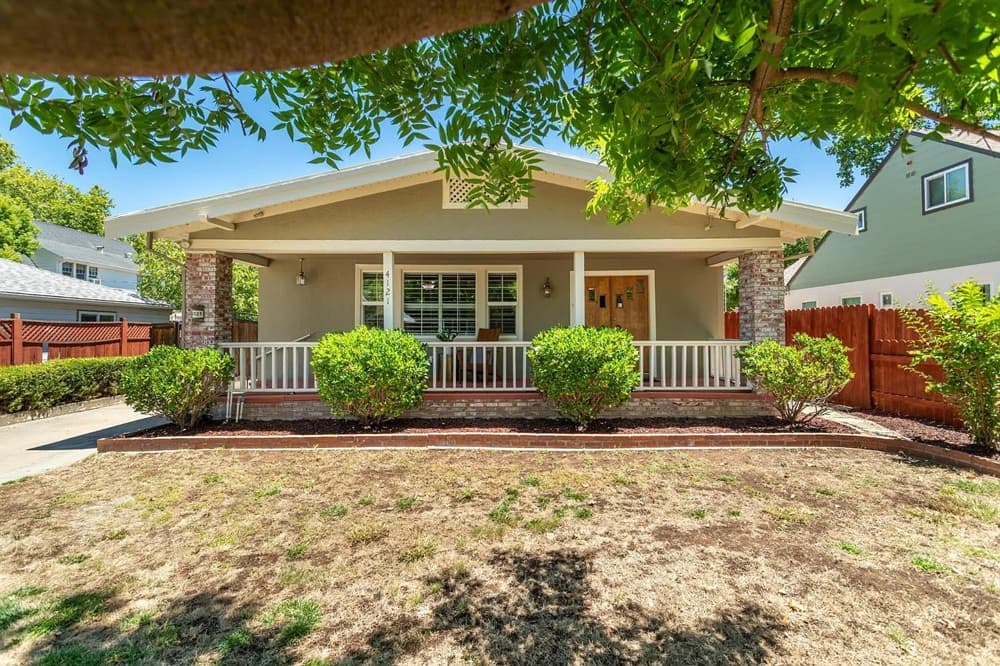
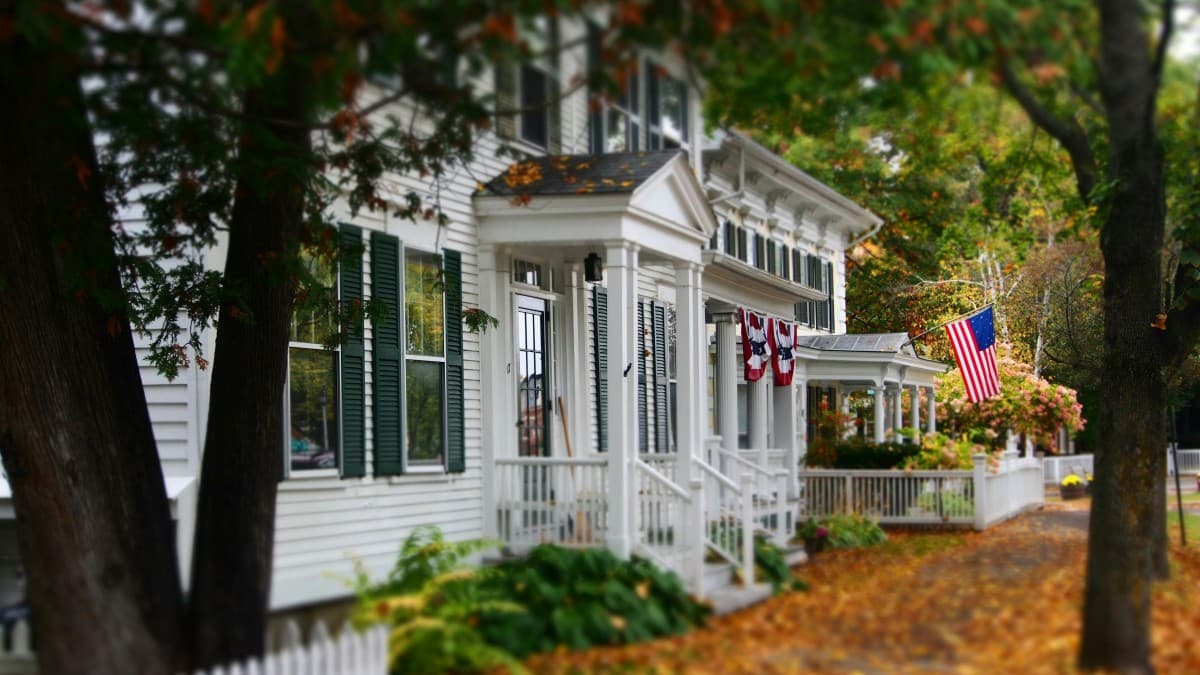
Woodstock’s village includes Federal, Greek Revival, and later 19th-century houses along streets near the green. Larger country properties and farmhouses appear just outside the village, where the Ottauquechee River and surrounding hills shape the landscape.
At Marsh-Billings-Rockefeller National Historical Park, the main house began as a Federal-style residence before later renovations introduced Stick Style and Queen Anne elements. More than 20 miles of carriage roads and trails extend through the surrounding forest and remain open for fall hiking.
Restaurants and cafés are concentrated in the village, and the Market on the Green continues through October 14. Woodstock also has several art and craft galleries tied to Vermont’s broader maker community.
SUBSCRIBE TO THE HAVEN MAILING LIST
Curated homes, market intelligence and design stories — a few emails a month.
No spam. Unsubscribe any time.
Camden, Maine
Camden’s harbor sits directly below residential streets that rise toward the hills behind town. Chestnut Street and nearby blocks include Federal-era wood-frame houses, and the High Street Historic District includes Queen Anne, Shingle Style, and Federal architecture.
The Camden Amphitheatre was designed by landscape architect Fletcher Steele and constructed between 1928 and 1931. Across Atlantic Avenue, Harbor Park extends the view toward the waterfront.
Restaurants and businesses line Main Street and the waterfront as well. Camden Hills State Park rises above town, with trails leading toward Mount Battie and views across Penobscot Bay.
Litchfield County, Connecticut
Litchfield County includes Litchfield, Washington, Kent, Salisbury, Norfolk, and smaller communities linked by rural roads and wooded properties. Colonial, Georgian, Greek Revival, and later country houses appear throughout the county, often alongside stone walls and larger parcels.
The Borough of Litchfield contains more than 475 buildings in its historic district, the first such district established in Connecticut. Exterior changes visible from public roads are reviewed by the local Historic District Commission.
Washington Depot has restaurants and local businesses near hiking land protected by the Steep Rock Association. Kent has an established contemporary art scene around Main Street and Kent Barns.
Residences frequently extend beyond village streets into wooded areas, lakefront settings, and quieter roads.
The White Mountains, New Hampshire
Sugar Hill, Franconia, and Jackson sit among some of New Hampshire’s most dramatic mountain scenery. Homes include older farmhouses, Shingle Style cottages, mountain houses, and properties oriented toward the surrounding peaks.
Sugar Hill occupies a high plateau above Franconia Notch. Nearby Franconia has direct access to Franconia Notch State Park, hiking trails, and Cannon Mountain. The Cannon Mountain Aerial Tramway is closed after Tram II was retired in October 2025, with a third-generation tram planned.
Jackson centers on the Ellis River and its covered bridge, with inns, restaurants, and homes extending along nearby mountain roads. Pinkham Notch, Wildcat Mountain, and the Mount Washington Auto Road are all close enough to make outdoor recreation part of regular life in the area.
New Hampshire’s official foliage guidance places the White Mountains’ typical peak in the first two weeks of October. For buyers looking past foliage season, winter road access, year-round businesses, proximity to ski areas, and the upkeep required by older or more remote properties become important considerations.