
Victoria, BC
In Greater Victoria, after years when low inventory shaped nearly every decision, buyers have more selection and more time to be precise—about neighborhood, home type, and what ‘value’ means in day-to-day life. Sellers, meanwhile, are operating in a market that rewards realistic pricing and presentation rather than urgency. The result is a steadier pace that makes the region easier to buy into thoughtfully—and clearer to evaluate as both a lifestyle choice and a long-term hold.
Real Estate: More Selection, Fewer Forced Decisions
The most useful way to describe Greater Victoria this year is not “hot” or “cooling,” but balanced enough for buyers and sellers to behave like themselves again. The Victoria Real Estate Board (VREB) reported 339 sales across the region in January, down about 20% from January 2025, alongside 2,624 active listings at month-end—up 9.6% year over year. That combination—more inventory, slower pace—reads as a market with room for due diligence, conditions, and actual comparison shopping.
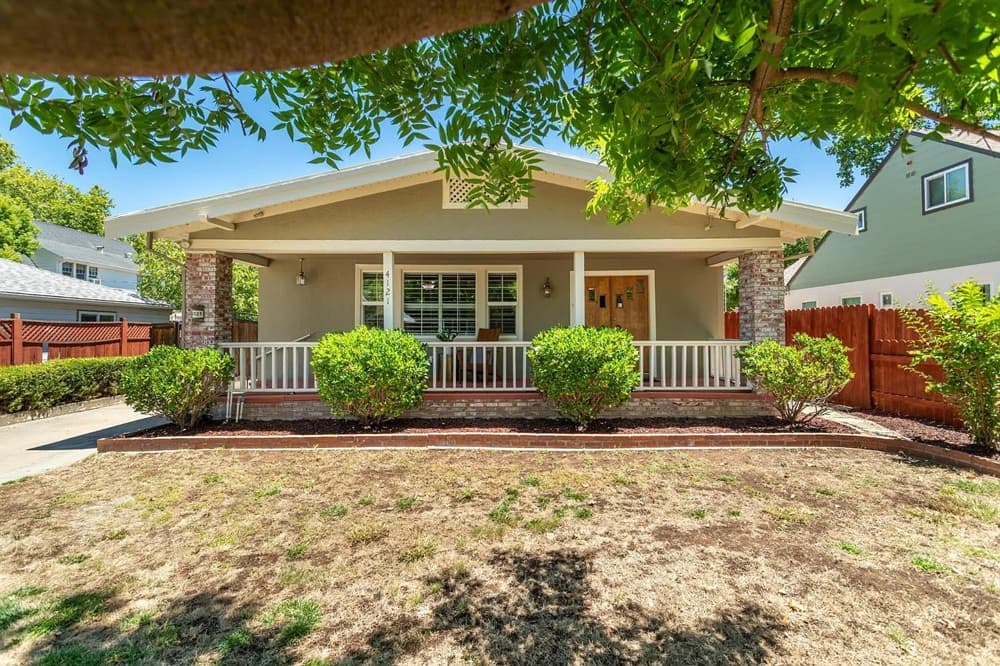
Pricing, meanwhile, remains well-supported in the core. VREB’s MLS® Home Price Index benchmark for a single-family home in the Victoria Core was $1,265,500 in January, down 2.5% from January 2025 (and up from December’s benchmark). In other words, the market is not “cheap,” but it is less reflexive. Homes that feel properly priced and well presented are still moving; homes that aim above the comparables tend to sit long enough for buyers to notice the gap.
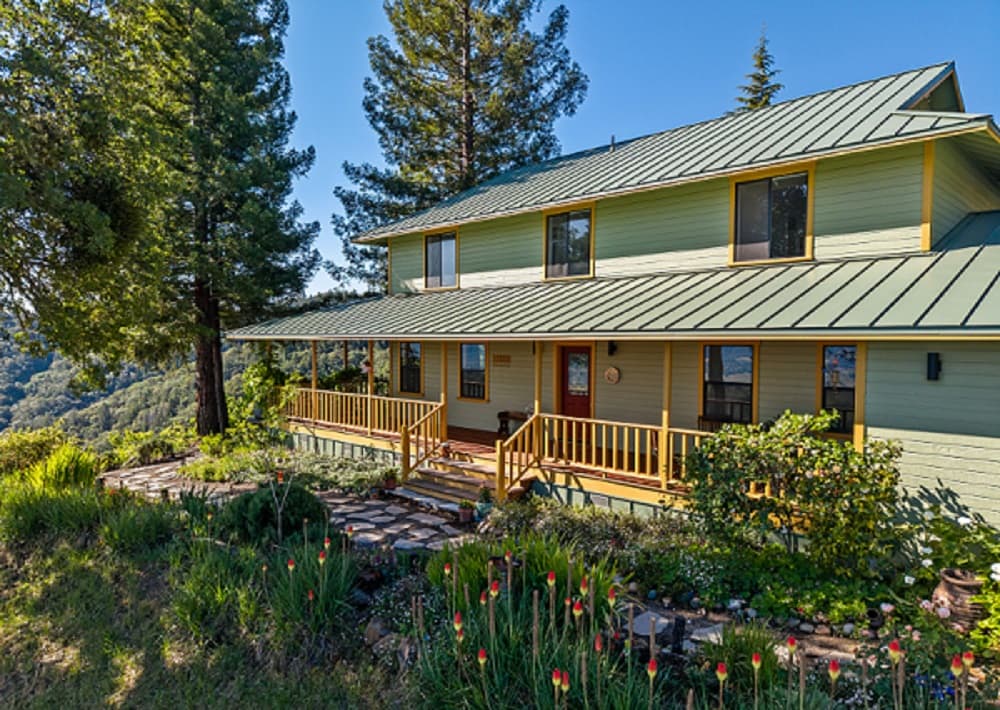
What’s changed most is leverage in the details. Inspection conditions are back in the conversation. So are repair credits, closing timelines, and the kind of negotiation that used to feel quaint when inventory was tight. The practical result is that buyers aren’t simply buying “Greater Victoria.” They’re buying Oak Bay’s village atmosphere, James Bay’s conveniences, or Westshore’s newer housing stock and value proposition. In a market with more choice, those distinctions matter again.
SUBSCRIBE TO THE HAVEN MAILING LIST
Curated homes, market intelligence and design stories — a few emails a month.
No spam. Unsubscribe any time.
Luxury Development: What’s Next
The region’s next wave of luxury is about new projects and upgrades that meet buyers where their expectations have moved. A few themes are driving that.
First, the Westshore corridor continues to mature into a true alternative center of gravity. Langford and Colwood have spent years absorbing growth, and the most luxurious homes tend to be newer builds with modern layouts and efficiency—designed for low maintenance and everyday function rather than heritage charm. As the corridor fills in, the difference between “new suburb” and “complete community” becomes the deciding factor: proximity to daily errands, schools, trails, and a commute pattern that doesn’t feel like a compromise.
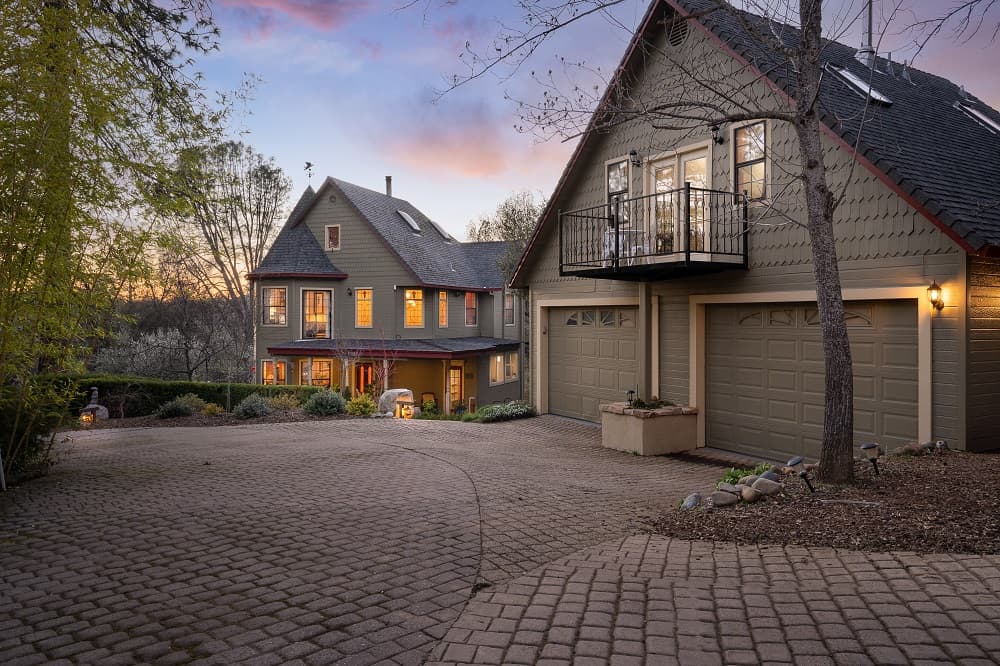
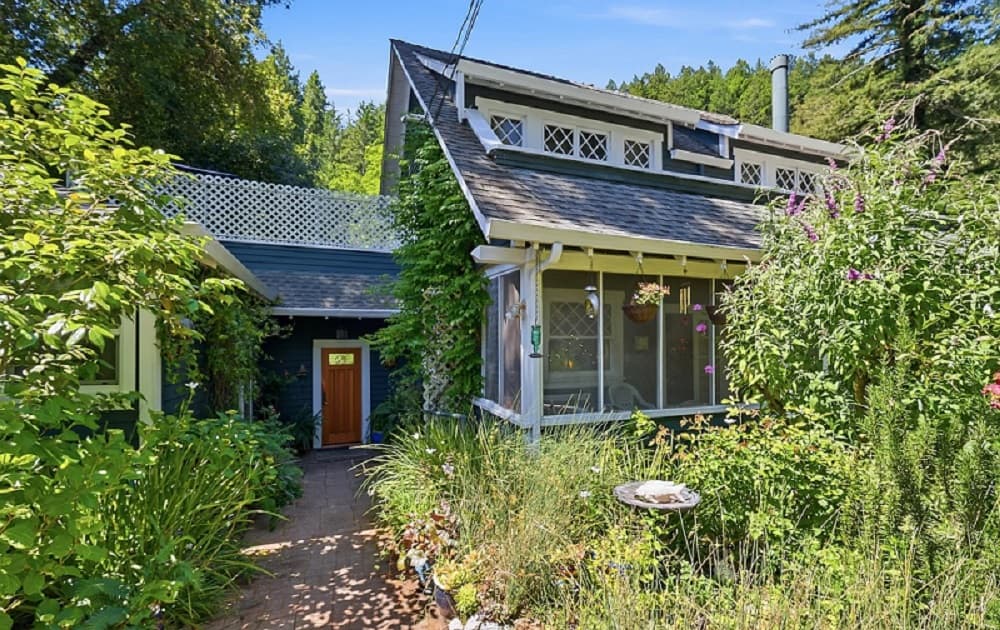
Second, Greater Victoria’s luxury buyers are increasingly drawn to homes that feel “ready”—not only updated, but resolved. That can mean a renovated historic property where the work is thoughtful and the systems are modern, or a contemporary home where the design choices feel durable rather than trendy. In a calmer market, buyers notice the difference between renovation as polish and renovation as architecture. They also pay closer attention to strata health in the condo segment and to build quality and future-proofing in newer townhome inventory, which has become more competitive as selection increases.
Finally, the region’s cultural and civic projects remain part of the broader luxury equation—not because they change property values overnight, but because they deepen the sense of place. The Royal BC Museum, for instance, has remained in the public conversation through ongoing planning and updates around its future direction. For lifestyle-driven buyers, that kind of institutional investment helps reinforce what Greater Victoria is selling at its best: a capital city that feels substantial year-round.
In 2026, the luxury opportunity isn’t about trying to outrun the market. It’s about buying into the parts of Greater Victoria that are becoming more legible: neighborhoods with consistent daily life, housing stock that fits how you actually live, and a pace that allows you to choose with intention.
Why the Rhythm Matters
Greater Victoria this year is defined by a return to discernment—buyers with time to compare and sellers who have to earn attention. The market’s adjustment hasn’t removed the region’s fundamental appeal, and has simply made the decision-making more honest.
For buyers, that’s a meaningful shift. It’s easier to pursue the version of Greater Victoria you actually want—walkable and urban, village-like and coastal, newer and efficient, quiet and peninsula-oriented—when you aren’t being forced into the first acceptable option. For sellers, it’s a reminder that presentation, maintenance, and pricing discipline are the difference between interest and hesitation.