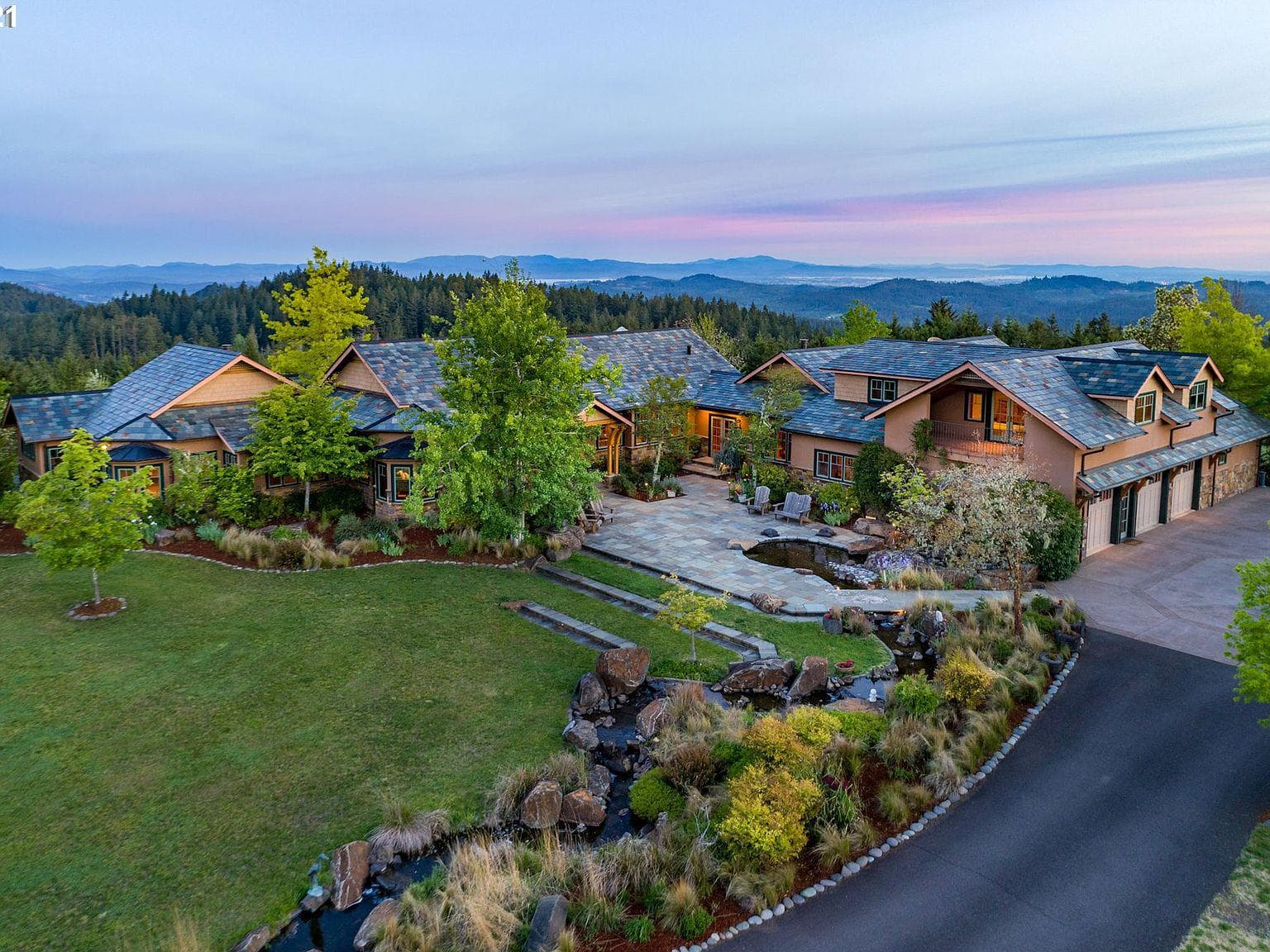
Across the United States, real estate prices are surging. The combination of low inventory with pandemic-induced changes to buyer tendencies has led to a market where homes are flying off the market at shockingly high prices. In Oregon, the same situation is occurring. The combination of these factors with low-interest rates is driving prices up. According to Neighborhood Scout, the total appreciation rate for home values in Oregon went up 20.15% from Q3 2020 to Q3 2021, with the median home value now $429,600.
But the Oregon real estate market is very diverse. Some regions in the state are very pricy, and some are incredibly affordable. As we move past a chilly Oregon winter and enter spring, let’s look at some of the current trends defining the Oregon real estate market.

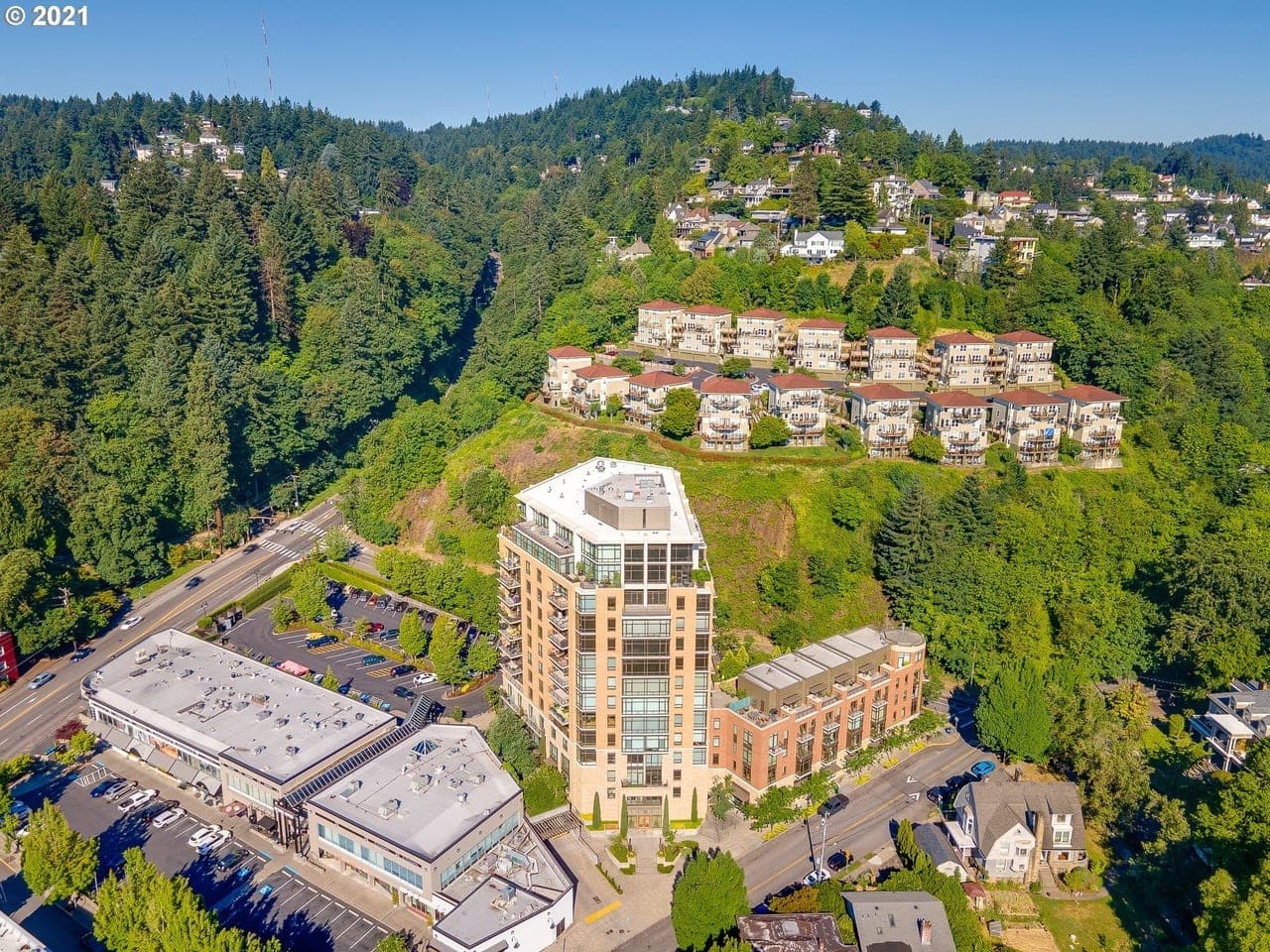
Portland State of the Market
Portland is the biggest city in Oregon by a wide margin, a large metropolis home to hundreds of thousands of citizens. It is a rapidly growing city whose population has increased over 10% in the past decade, which has a bearing on the real estate market. Portland also has a growing economy with numerous tech firms heavily invested in the region. Let’s dive into how Portland’s real estate market has performed this winter.
Portland is a market that has had steady growth consistently for the past several years. 2021 was no different and even more dramatic than normal. According to a report by Norada, the median sales price for a home in Portland surged 16.1% from December 2020 to 2021, reaching $511,000. One of the biggest factors in this is the heavy competition. Buyers have fewer options to choose from in Portland, so they are more competitive in their bids for the homes available.
Portland’s lack of inventory is a serious problem for buyers. A healthy supply of inventory is typically considered a six-month supply of homes on the market. This means there are enough homes on the market to last for six months of buyer demand. Currently, the Portland market is at a 0.6-month supply, meaning there is a woeful shortage of homes available. Naturally, buyers don’t have much choice but to be competitive.
Homes are being swept off the market faster than normal, with the median days on the market in Portland being 32 in 2021. This was a decline from 40 in 2020. With fewer options, buyers naturally have to be more decisive or run the risk of losing out on their homes to other buyers.
The Portland market is hot, with homes moving quickly and prices rising. While this is a trend across the United States, it is more pronounced in Portland.

SUBSCRIBE TO THE HAVEN MAILING LIST
Curated homes, market intelligence and design stories — a few emails a month.
No spam. Unsubscribe any time.
Other Key Areas
Portland isn’t the only significant urban market in Oregon, as there are other areas where home values are surging. Let’s look at some other important markets in Oregon and the current trends defining them.
Eugene is Oregon’s second-biggest city, and similar to Portland has a rapidly growing population and economy. Home values are creeping up in Eugene and have been for some time. According to Realtor.com, the median listing price in Eugene was $464,500 in February 2022, representing a 13% increase year-over-year. The market is competitive in Eugene, with Rocket Homes indicating that 66% of the home sales in February 2022 were sold above the asking prices. Homes were also sold 12% faster in February than January.
Salem is Oregon’s third-biggest city, a similar size to Eugene. Like Eugene and Portland, home values are surging in Salem, with 2021 marking a year of growth and 2022 continuing that growth. According to Realtor.com, the median listing price in Salem for February 2022 was $399,700. This marked a 14.2% increase year-over-year. This is also due to decreasing inventory, as Rocket Homes showed that homes for sale in Salem had dropped 12% from January to February alone.
Across Oregon, prices are rising. The median price in the state has increased significantly, as have the median prices in the three biggest markets. Just about every major market in the United States has seen prices rise in the past several months, and Oregon is no different.