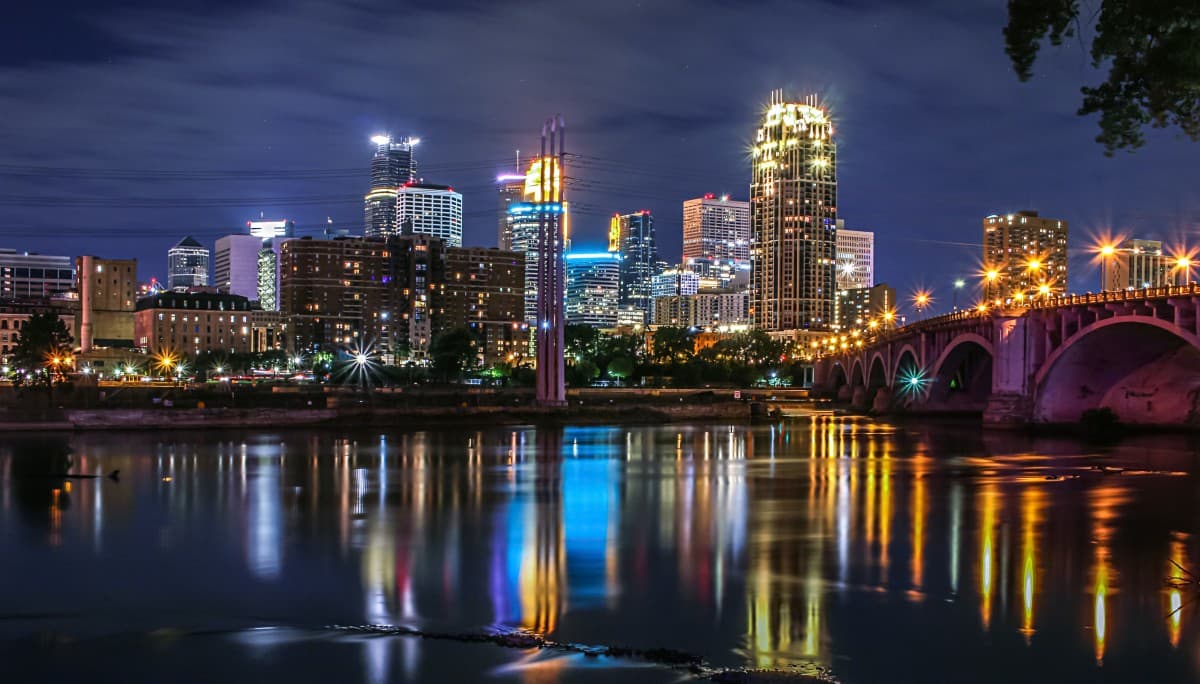
Minneapolis, MN
In Minnesota’s high-end market, “luxury” is absorbing a new set of expectations. Beauty remains the hook, but durability is becoming the qualifier—along with a simpler question that now comes up earlier in many conversations: can this home be insured in a straightforward way, at a predictable cost?
That question isn’t paranoia; it’s a response to a changing insurance backdrop. A January 2026 LendingTree analysis placed Minnesota among the states with the steepest home-insurance premium growth from 2020 to 2025, estimating an 88.2% increase over that period. InForum has described Minnesota’s increases as being driven by severe storms that are becoming both more frequent and costly, with higher repair costs compounding the impact.V
For luxury buyers, those pressures change the texture of a deal. Insurance is less often treated as a final box to check and more often treated as part of the decision itself. Premiums, deductibles, and carrier appetite are weighed alongside property taxes, planned improvements, and the true replacement cost of materials and labor. A home can still be spectacular—and still feel like a risk if the ownership profile looks volatile.
SUBSCRIBE TO THE HAVEN MAILING LIST
Curated homes, market intelligence and design stories — a few emails a month.
No spam. Unsubscribe any time.

So the checklist has evolved—and for many buyers, it begins earlier than it used to. Buyers are scrutinizing the outer shell of the home with a kind of practiced attention: roof age and impact rating, window performance, siding condition, grading, drainage, and the places water might decide to go when it has nowhere else. Mature trees are viewed with two minds at once—beautiful canopy and potential liability. In older neighborhoods, the conversation widens to water intrusion history, sump performance, and any evidence of repeated patchwork rather than durable repair.
This is also reshaping what “upgrade” means. Some of the most prized improvements in 2026 are the ones that don’t announce themselves. Impact-resistant roofing and other more durable exterior choices are discussed with the seriousness once reserved for stone selections and custom cabinetry. Backup power is less a gadget than an assurance that a home won’t become fragile during an outage. Leak detection and water-monitoring systems are valued not for novelty but for the unglamorous outcome they help produce: smaller losses, fewer emergencies, fewer surprises.
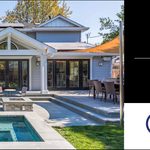

Builders and renovators are responding in a way that feels practical, but not coarse. The best resilience measures are integrated rather than showcased: generators tucked out of view, drainage work that disappears into the landscape, roof and window packages that preserve a traditional streetscape while quietly performing at a higher level. The message isn’t “look what we added.” It’s “this home will behave.”
Lake country intensifies the logic. The risks are different in detail but similar in spirit: winterization is not seasonal advice but a design requirement; ice heave is a structural reality; shoreline conditions and water dynamics are part of ownership, not scenery. Outdoor living—saunas, fire features, kitchens, docks, and boathouses—has become a major expression of Minnesota luxury, but buyers can be wary of amenities that look stunning for one summer and then degrade into annual repairs. A six-figure outdoor build only reads as luxury if it’s engineered to withstand freeze-thaw cycles, drainage demands, and the long arc of maintenance.
What emerges from all of this is a new buyer posture that can sound clinical but is, in its own way, deeply emotional. It’s not that buyers have stopped caring about light, layout, and atmosphere. It’s that reassurance now comes from performance as much as from design. The most desirable homes still deliver the immediate pleasures—the calm of a well-made interior, the ease of a well-planned renovation, the pleasure of water and trees and quiet. They also deliver something harder to photograph: predictability.
Minnesota’s luxury market has long rewarded craft. In 2026, it is also rewarding competence—envelopes that endure, systems that work, and properties that have been improved not only to feel current but to hold up with less drama. The finishes still matter. The architecture still matters. Increasingly, though, what separates a home that simply looks expensive from one that feels genuinely luxurious is whether it can absorb the realities of Minnesota weather—and let its owners enjoy it, rather than worry about it.