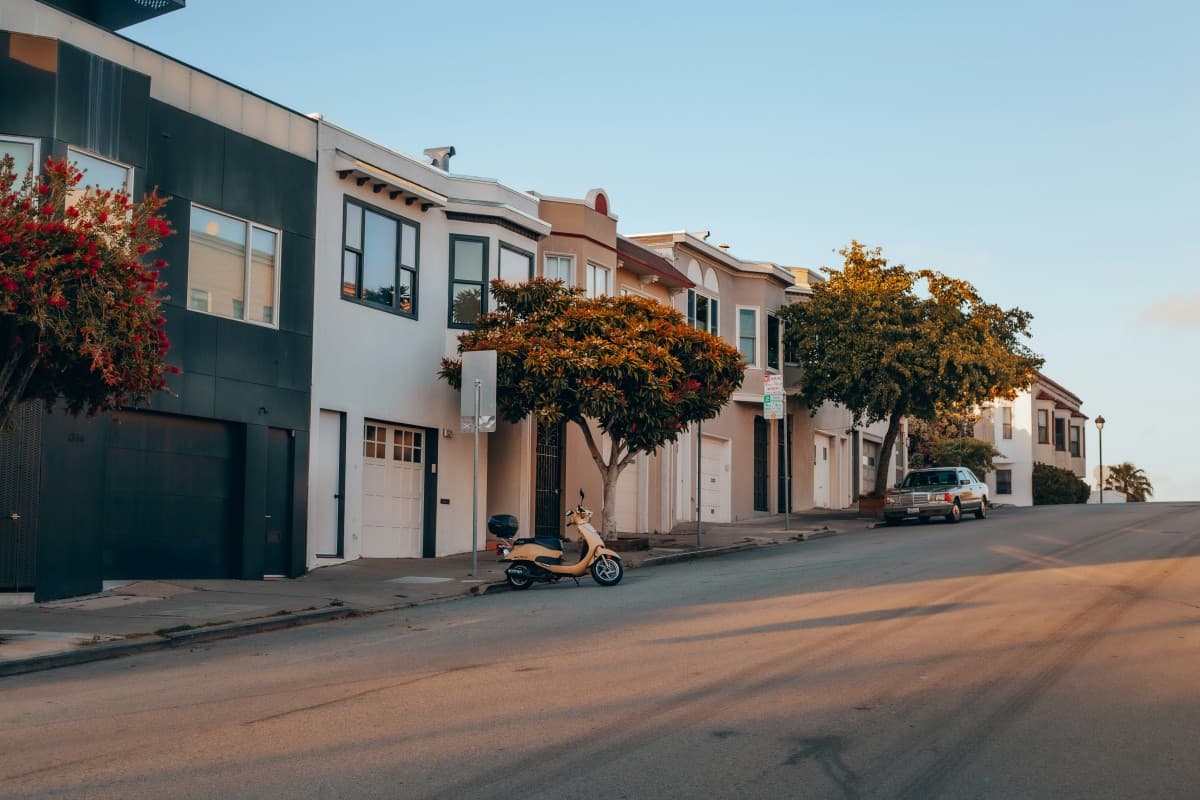
San Francisco, CA
The Bay Area presents a variety of architectural styles, with their popularity and prominence in the luxury market depending on region. On the Peninsula, the top end leans toward large contemporary estates and reworked mid-century homes. In San Francisco, older Victorians and Edwardians remain central to many of the city’s most established residential neighborhoods, while Marin and parts of the East Bay continue to reward homes whose value is tied as much to architecture as to size. We provide a closer look at these home styles and their role in the local real estate market.
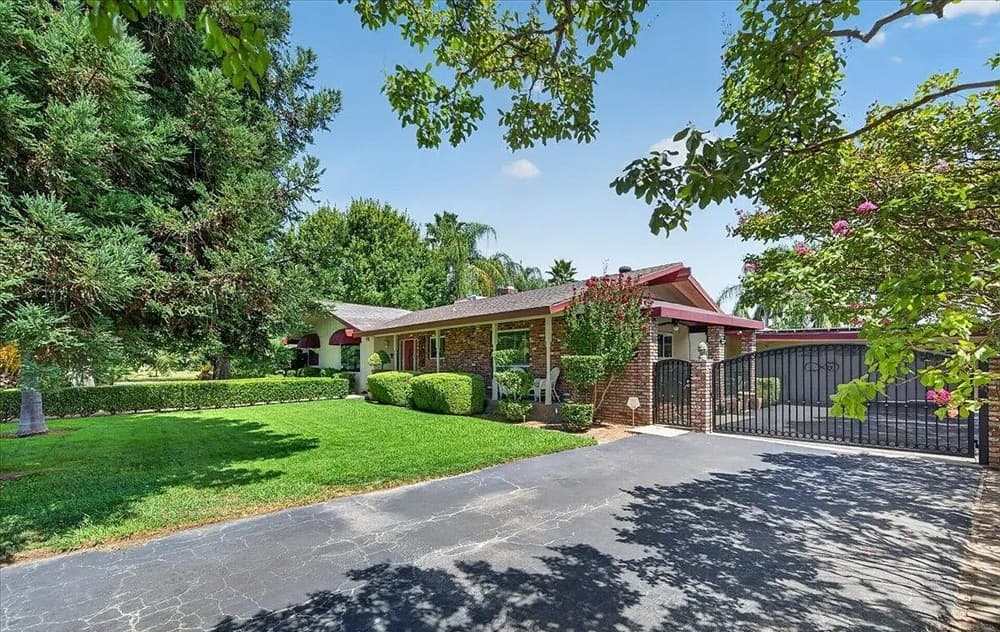
Mid-Century Modern and Eichler Homes
Few home types feel as tied to Northern California as Eichlers, the postwar modern houses developed by builder Joseph Eichler and known for their low profiles, walls of glass, atriums, and open interiors. A KQED article notes that between 1949 and 1974, Joseph Eichler’s company built over 10,000 homes in California, with a large concentration in the Bay Area. Palo Alto alone has more than 2,700 of them, the most of anywhere. Eichlers are part of the region’s residential legacy, and their design still lines up with what many buyers want from a Bay Area home.
SUBSCRIBE TO THE HAVEN MAILING LIST
Curated homes, market intelligence and design stories — a few emails a month.
No spam. Unsubscribe any time.

Victorian and Edwardian Mansions
In San Francisco, the city’s older housing stock has a key place in the luxury market. A February Realtor.com article notes that the San Francisco area has the oldest median year built among the nation’s top 10% most expensive listings, at 1974. In neighborhoods such as Pacific Heights and Presidio Heights, Victorian and Edwardian houses are prized not just for their detailing or scale, but for the fact that they are increasingly difficult to replicate. The tension is part of what defines this segment: buyers want modern livability, but much of the value is rooted in preservation.
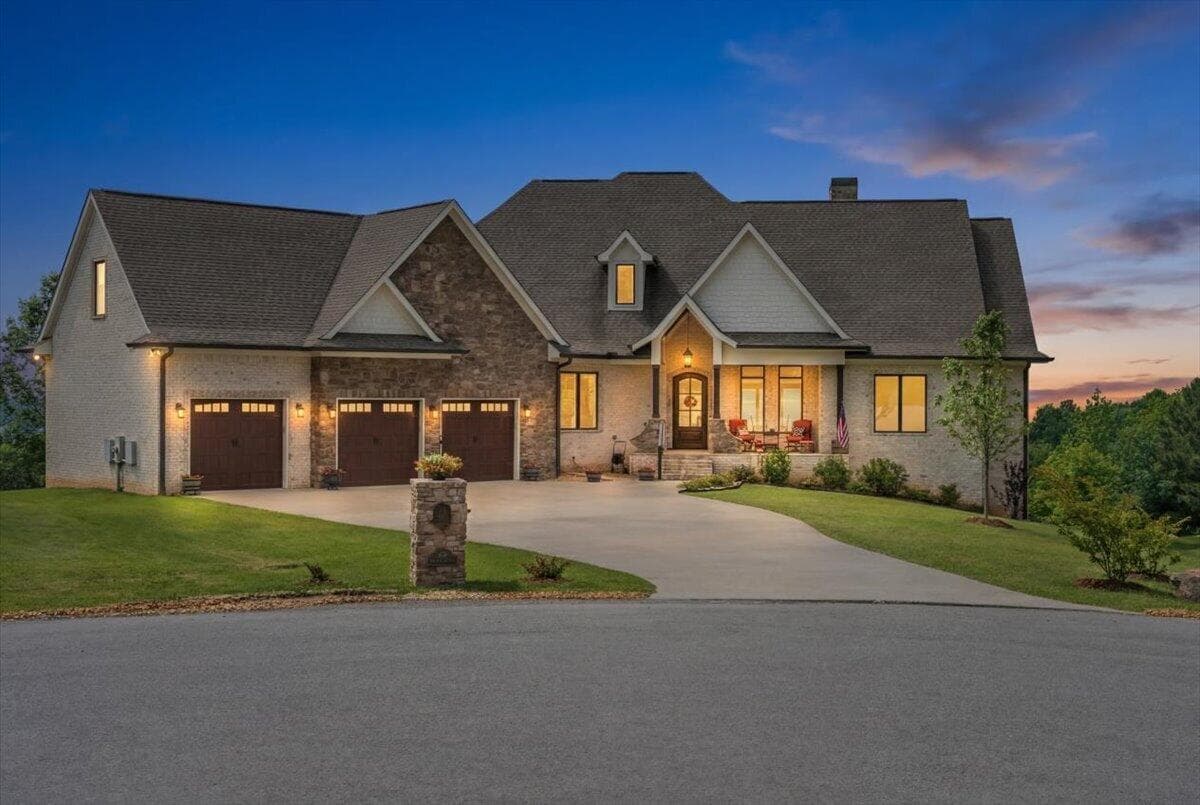
Contemporary and Modern Homes
If San Francisco’s luxury identity is tied to preservation, the Peninsula’s is tied more to reinvention. Contemporary homes in Atherton, Los Altos Hills, Palo Alto, and Woodside reflect the preferences of buyers who want openness, privacy, integrated technology, and a cleaner design language. The market’s hierarchy makes that clear: Redfin data shows that in March, Atherton’s median sale price was $14.8 million. That figure reinforces how strongly the Peninsula’s top tier rewards newer or heavily reworked estates.


Craftsman Homes
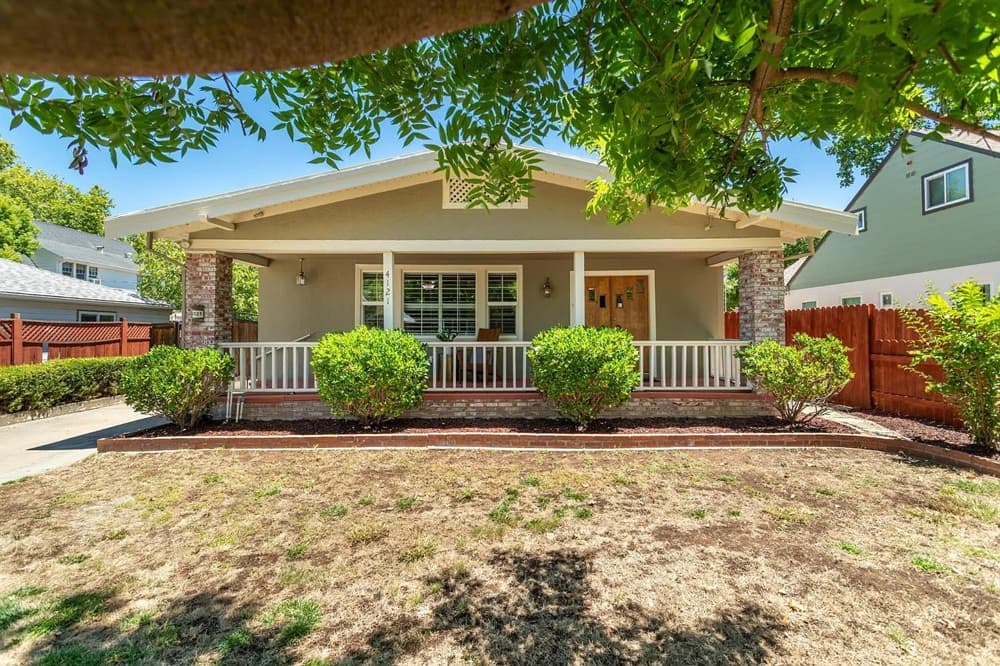
Craftsman houses hold a different place in the market, defined more by workmanship, materials, and setting than by scale. In Marin and parts of Berkeley, Oakland, and Piedmont, these homes draw buyers who want something more grounded than a new glass-heavy build. Original millwork, built-ins, exposed beams, and neighborhood context all play a role, which is why well-preserved Craftsman homes continue to stand apart in these parts of the Bay Area.
Spanish Colonial Revival and Mediterranean Estates
Mediterranean and Spanish Colonial Revival homes remain part of the Bay Area’s upper tier, especially in Hillsborough, Woodside, Atherton, Tiburon, Belvedere, and Sausalito. These houses bring stucco exteriors, clay tile roofs, arched openings, and courtyard-centered layouts that feel more formal than mid-century homes and less restrained than many newer contemporary builds. In the Bay Area, they are often tied to larger lots and some of the region’s most established residential ground, which helps keep them firmly in the luxury conversation.
What Defines the Market
What sets Bay Area luxury apart is not just architectural quality, but the split between preservation and reinvention. San Francisco’s older housing stock gives historic homes unusual staying power, while Peninsula pricing shows how strongly the market rewards newer or heavily reworked estates. Marin and the East Bay sit somewhere in between, with buyers placing value on craftsmanship and homes that feel specific to their setting.