Saskatoon, SK
As travelers increasingly seek alternatives to crowded ski resorts and predictable holiday circuits, these are places where the appeal lies not in resort infrastructure but in genuine landscape, community character, and the kind of solitude that has grown rare in mainstream winter travel.
1. Riding Mountain Region, MB
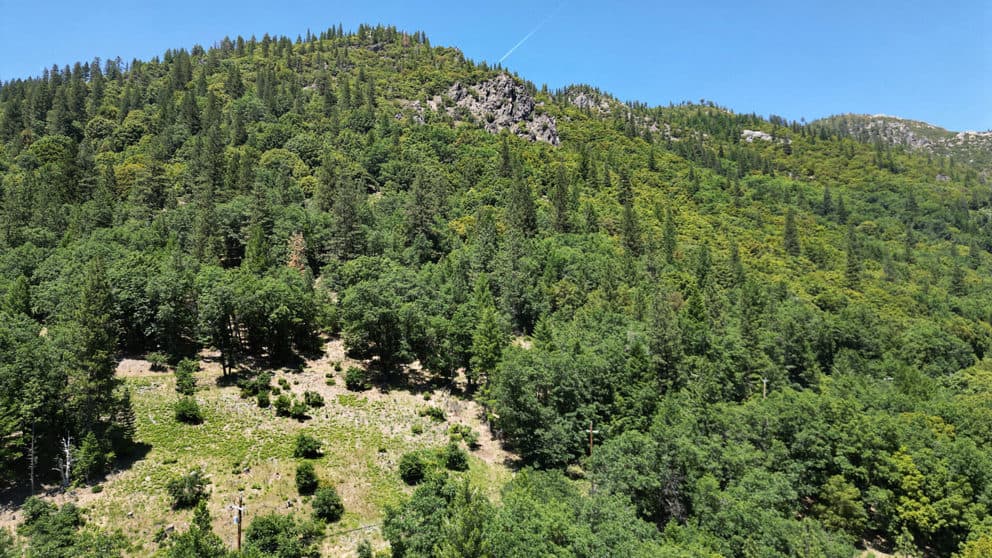
Set on the edge of Riding Mountain National Park, the small communities surrounding this area—Wasagaming, Erickson, and Onanole—offer a winter experience far removed from Manitoba’s better-known destinations. The landscape is a blend of boreal forest, rolling hills, and frozen lakes, creating a setting ideal for cross-country skiing, wildlife viewing, and slow-paced winter exploration. Visitor numbers drop dramatically after summer, and the region shifts into a quieter, more grounded rhythm. Real estate here reflects the park’s presence without the inflation seen in more established resort corridors, with year-round cabins and modest residential properties drawing buyers looking for respite rather than recreation infrastructure.
SUBSCRIBE TO THE HAVEN MAILING LIST
Curated homes, market intelligence and design stories — a few emails a month.
No spam. Unsubscribe any time.
2. Waterton Lakes Region, AB
While Alberta’s winter identity is dominated by Banff, Lake Louise, and Canmore, the Waterton area remains one of the province’s least-publicized cold-season destinations. Winter brings a pared-back atmosphere: the landscape—glacial valleys, open prairie meeting steep peaks—feels almost entirely undisturbed. The townsite becomes quiet, with only essential businesses operating, and visitors find solitude on snowshoe routes, frozen lakeshores, and the surrounding foothills. Real estate interest has grown gradually among those seeking proximity to the Rockies without the year-round tourism intensity found farther north.
3. Saskatoon, SK
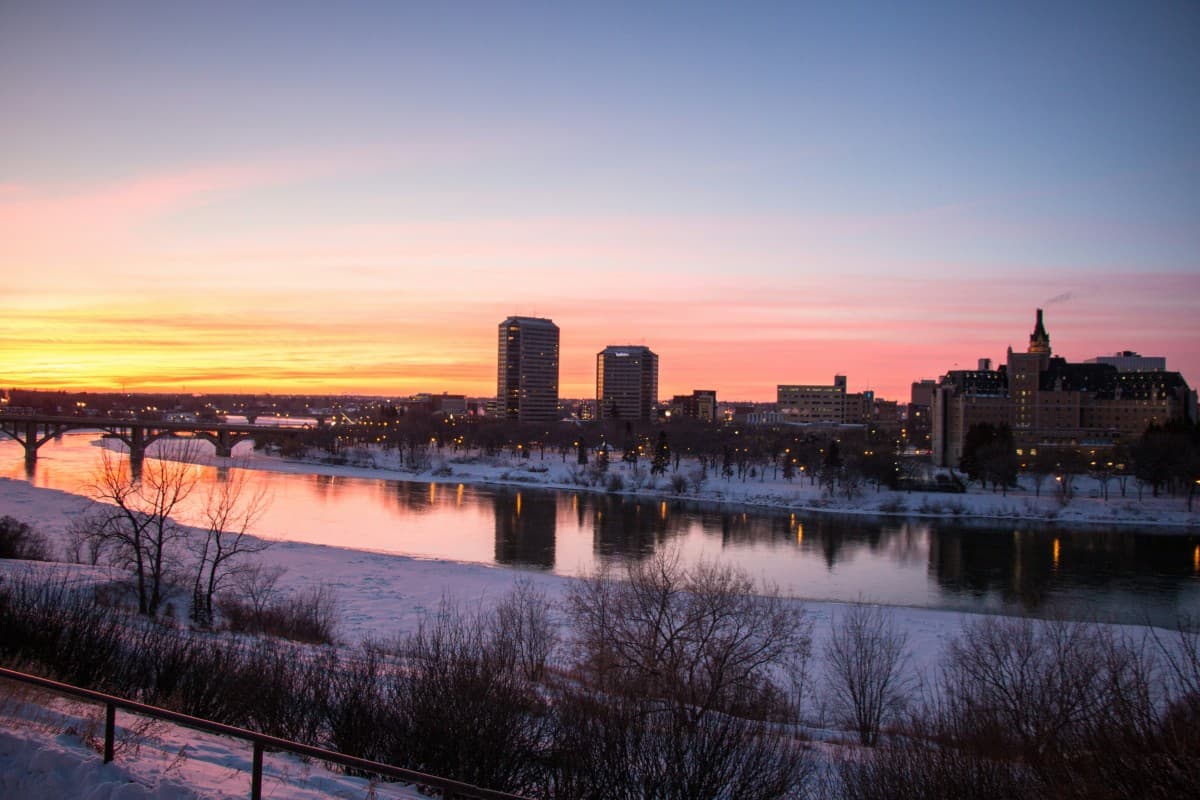
Saskatoon offers an unexpected winter appeal centered on its riverfront setting and creative institutions. While not traditionally marketed as a winter destination, its galleries, theaters, and restaurants reflect a genuine cultural community rather than tourism-driven development. The frozen South Saskatchewan River creates a stark and compelling winter landscape, and the city’s accessibility enhances its emerging status among travelers seeking urban substance without the crowds or costs of Canada’s major metros.
4. Lunenburg, NS
A UNESCO World Heritage site, Lunenburg transforms in winter from a summer tourism enclave into a remarkably quiet coastal town grounded in maritime heritage. With the seasonal crowds gone, the community’s fishing industry and working waterfront become more visible, revealing the rhythms that shape daily life here. Colorful architecture and preserved streetscapes take on a different quality in winter light, and the town’s arts and culinary scenes continue at a slower, more local pace. Real estate reflects both preservation requirements and steady coastal demand, with a mix of restored historic homes and contemporary builds.
5. Charlottetown and Rural Prince Edward Island
While PEI’s summer identity is well established, winter remains lesser-known, making it a quietly appealing season for travelers seeking calm landscapes and genuine island culture. Charlottetown’s theater scene, independent restaurants, and historic streets provide substance beyond scenery, while the surrounding countryside offers quiet coastal drives, small communities, and winter shorelines that feel worlds away from peak-season crowds. The real estate market continues to see increasing interest in both heritage properties and rural builds, driven largely by those seeking a slower pace and proximity to nature outside tourist-heavy months.