

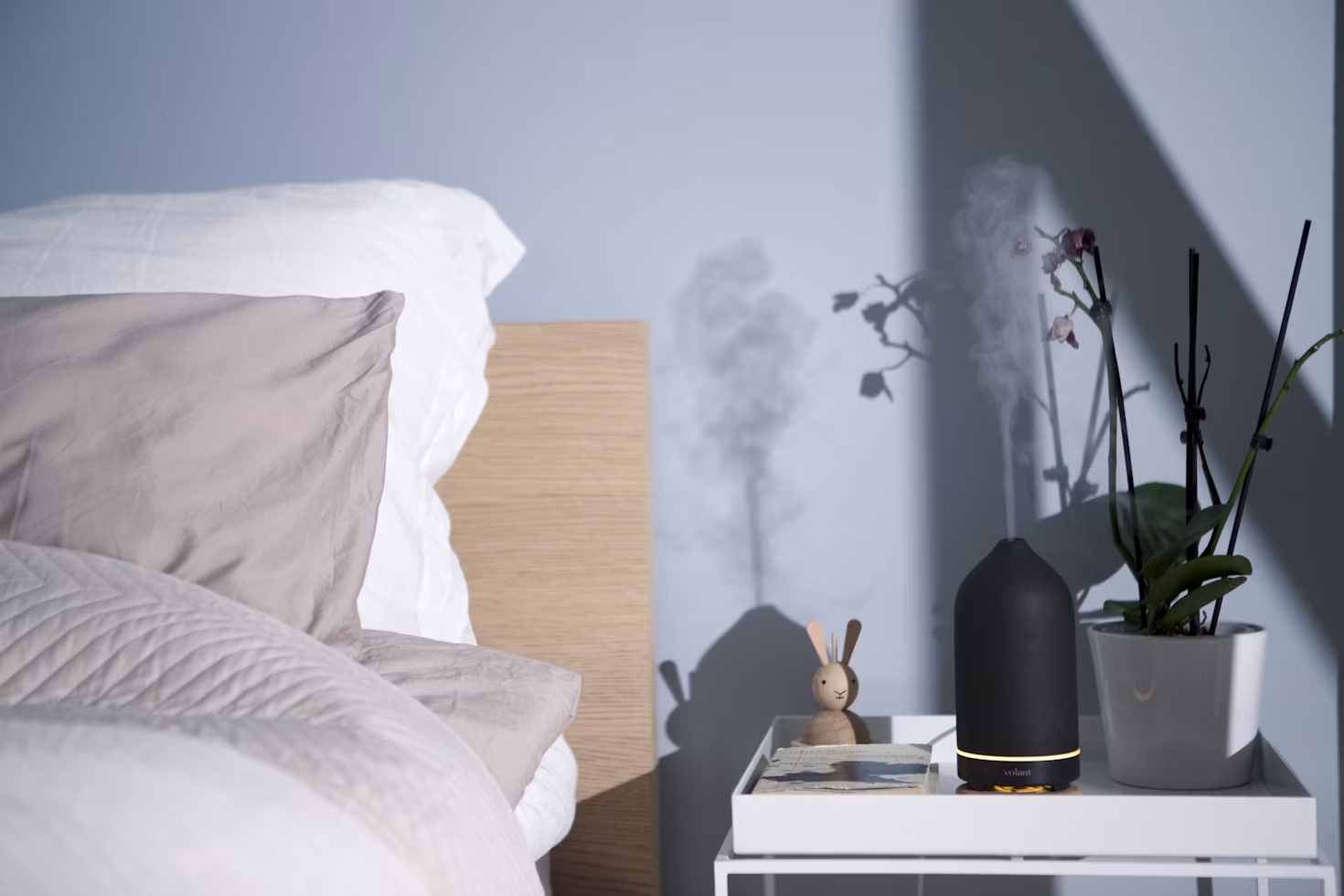
Why Maintaining Indoor Humidity Matters for Your Health
Breathing dry air all day leaves your throat scratchy and your skin feeling tight. When winter arrives, heating systems strip moisture from your rooms, creating an uncomfortable environment that affects your sleep and overall health. Adding a humidifier to your bedroom or living space restores that lost moisture instantly. We will explore how proper air hydration improves your daily comfort, protects your wooden furniture, and requires minimal daily effort to maintain.
If you struggle with constant winter colds or wake up with dry eyes, your home environment might be the culprit. By the end of this guide, you will understand exactly how to balance your indoor climate and keep your air comfortable year-round.
The Hidden Impact of Dry Air on Your Body
Most people spend the majority of their time indoors, especially during colder months. When the humidity drops below 30 percent, your body notices immediately. Your respiratory system relies on moisture to filter out dust and airborne particles. When your nasal passages dry out, that natural defense system stops working correctly, leaving you more vulnerable to common seasonal illnesses. You might also notice changes in your physical appearance and comfort. Dry air pulls moisture directly from your skin. No amount of expensive lotion can fully fix the problem if the air around you constantly acts like a sponge.
SUBSCRIBE TO THE HAVEN MAILING LIST
Curated homes, market intelligence and design stories — a few emails a month.
No spam. Unsubscribe any time.
Common Signs Your Air Lacks Moisture
If you are wondering whether your home needs an intervention, look for these physical indicators:
- You wake up with a dry, irritated throat or a persistent morning cough.
- Your lips constantly crack and peel despite using lip balm.
- You experience frequent static shocks when touching doorknobs or blankets.
- Your eyes feel gritty and tired, especially if you wear contact lenses.
If you notice these symptoms regularly, checking your home’s moisture levels is a smart first step. You can read our detailed guide to improving indoor air quality to learn more about testing your home’s environment.
Protecting Your Home and Possessions
Dry air does not just affect humans and pets; it actively damages the structure of your house and your belongings. Wood acts like a sponge, expanding when wet and shrinking when dry. When you run a heater constantly without adding moisture back into the space, the structural materials in your home react to that stress. Hardwood floors can begin to separate, leaving noticeable gaps between the planks. Wooden doors might stop latching correctly as the frames shift. Even your favorite musical instruments, like acoustic guitars or pianos, can fall out of tune or suffer permanent cracks in extreme dryness.
What Proper Moisture Protects
Maintaining a humidity level between 40 and 50 percent helps preserve your home in several ways:
- Keeps wooden furniture joints tight and prevents structural cracking.
- Helps indoor houseplants thrive, preventing brown, crispy leaves.
- Preserves the life of paint and wallpaper, which can peel in severely dry conditions.
- Protects delicate paper goods, books, and artwork from becoming brittle.
How to Choose the Right Setup for Your Space
Not all moisture-adding devices operate the same way. Finding the right fit depends entirely on the size of your room and your personal habits. If you just need relief while you sleep, a small tabletop device works perfectly. You can place it on a nightstand directly next to your bed to ensure you breathe comfortable air all night. These smaller units cost very little and take up minimal space. For larger areas like an open-concept living room, you need a console unit. These sit on the floor and hold several gallons of water at a time. They push enough moisture into the air to cover hundreds of square feet. While they take up more room, they save you from having to refill a tiny water tank three times a day.
Simple Maintenance Steps
Keeping your air clean takes just a few minutes of effort each week:
- Empty any leftover water from the tank every single morning.
- Wipe down the inside of the tank with a weak vinegar solution once a week to remove mineral buildup.
- Always use fresh, clean water when refilling the tank.
- Replace internal wicks or filters exactly when the manufacturer recommends it.
If you notice white dust settling on your furniture, your tap water likely contains high levels of minerals. Switching to distilled water immediately solves this issue and extends the life of your machine.
Simple Steps for Healthier Air at Home
Living with dry, irritating air is completely unnecessary. By monitoring your indoor moisture levels and running a device when the air gets too dry, you protect your respiratory health, soothe your skin, and preserve your home’s interior. Start small. Place a simple moisture gauge in your bedroom to see where your numbers currently sit. If the reading drops below 30 percent, introduce some hydration into the space and see how much better you feel the next morning. A small adjustment to your indoor climate often makes a massive difference in your daily quality of life.
- Keep Windows Open Regularly: Allow fresh air to circulate and reduce indoor pollutants.
- Use Indoor Plants: Plants like snake plant and aloe vera help naturally improve air quality.
- Clean Frequently: Dust and vacuum regularly to remove allergens like dust mites and pet dander.
- Avoid Smoking Indoors: Smoke severely reduces indoor air quality and harms health.
- Use Air Purifiers: HEPA filters can help remove dust, pollen, and other harmful particles.
- Control Humidity Levels: Use dehumidifiers or proper ventilation to prevent mold growth.
- Limit Chemical Cleaners: Choose natural or eco-friendly cleaning products when possible.