As autumn approaches, the Midwest’s luxury home market offers unique opportunities to embrace seasonal design elements that combine comfort, style, and timeless appeal. The region’s distinct climate and appreciation for craftsmanship provide an ideal backdrop for design strategies that feel both current and regionally authentic. These five approaches can help transform your home into a standout property this fall while maintaining year-round appeal.
1. Embrace Biophilic Design with Seasonal Natural Elements
Biophilic design, which emphasizes humanity’s connection to nature, continues to influence luxury homes in 2025. Fall is an excellent time to incorporate natural materials and seasonal touches that create calming, restorative environments.
Consider using live-edge walnut or oak furniture that highlights the grain patterns of Midwest hardwoods. Floor-to-ceiling windows framed in natural wood can maximize views of changing foliage, while indoor plant arrangements with seasonal varieties like burgundy-leafed begonias or evergreen ferns bring greenery indoors. Stone accent walls crafted from locally sourced limestone or sandstone add texture and reinforce a connection to the regional landscape. The goal is to integrate natural elements in a way that feels authentic to the Midwest while maintaining refined luxury.
SUBSCRIBE TO THE HAVEN MAILING LIST
Curated homes, market intelligence and design stories — a few emails a month.
No spam. Unsubscribe any time.
2. Layer Rich Textures Through Sustainable Luxury Materials
Sustainability continues to be a priority in luxury design, allowing homeowners to make environmentally conscious choices without sacrificing elegance. Using high-quality, responsibly sourced materials adds tactile interest and a sense of history to your interiors.
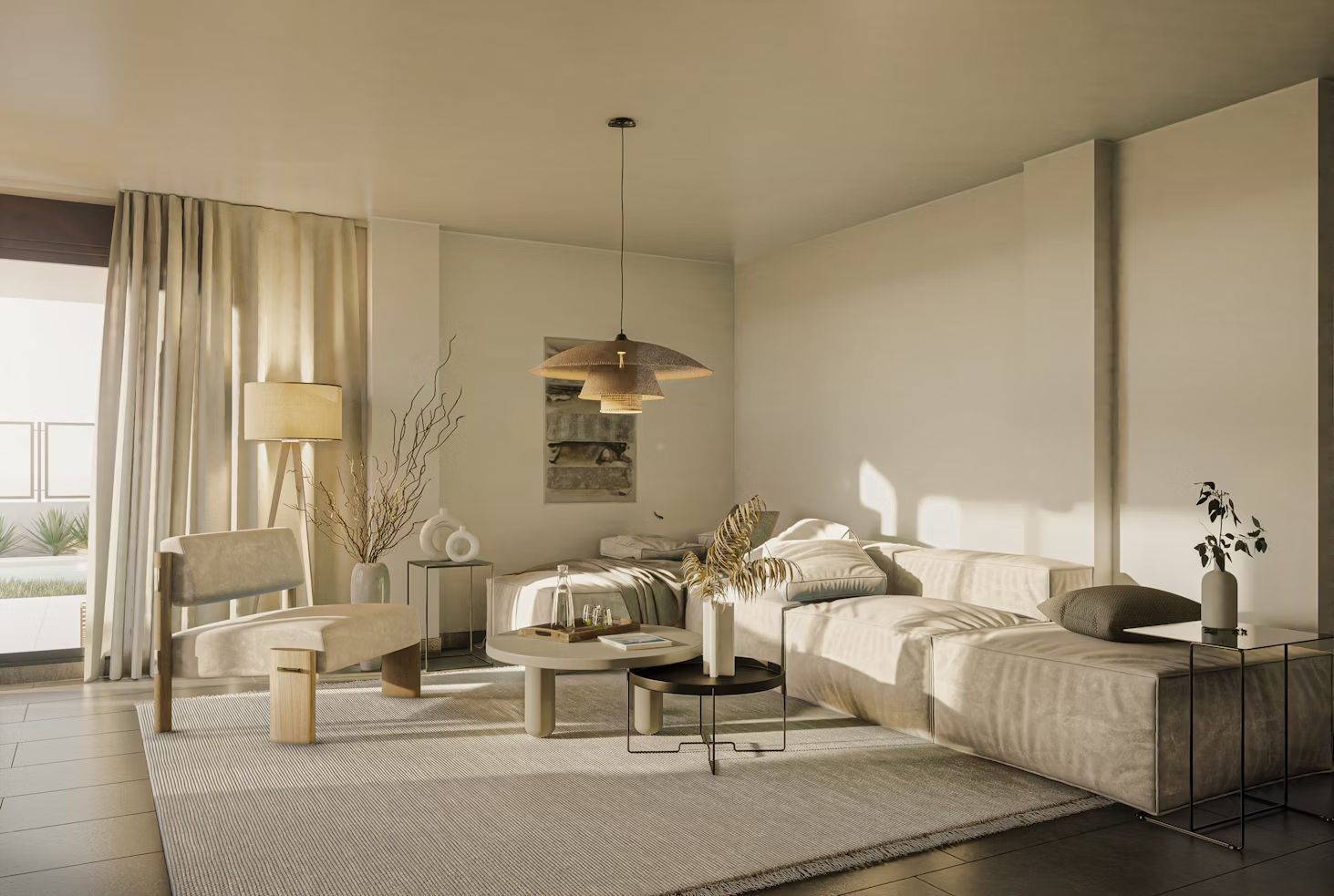
Reclaimed barn wood ceiling beams, handwoven wool rugs in autumnal tones like burnt orange, forest green, or burgundy, and countertops made from recycled glass or sustainably quarried stone all contribute to layered, tactile spaces. Furniture crafted from certified sustainable hardwoods with low-VOC finishes supports both quality and environmental responsibility. These materials create warmth and depth while reflecting a thoughtful, modern approach to luxury.
3. Create Multifunctional Spaces with Sophisticated Storage Solutions
Modern luxury living values flexibility, and multifunctional spaces enhance both utility and style. Thoughtful design allows rooms to adapt to changing needs without compromising elegance.
For example, a home office can double as an entertaining space using custom millwork with hidden storage and fold-away desk surfaces. Built-in window seats with integrated wine storage or modular furniture can create cozy, adaptable areas. Motorized room dividers in rich materials like walnut or brass allow spaces to be reconfigured as needed. High-quality craftsmanship ensures these solutions feel intentional and luxurious rather than purely functional.
4. Integrate Smart Home Technology with Invisible Sophistication
In luxury homes, smart technology increasingly operates seamlessly in the background, enhancing comfort while preserving aesthetic harmony. Systems that function intuitively support effortless living without drawing attention away from design.
Automated lighting can adjust color temperature throughout the day, complementing natural light and autumnal tones. Climate control systems with multiple zones maintain comfort efficiently, while motorized window treatments can respond to sunlight or privacy needs. Integrated audio systems within architectural features, such as crown molding or cabinetry, allow technology to enhance the environment discreetly. The focus is on intuitive functionality that supports daily life while maintaining timeless design.
5. Incorporate Artisanal Details and Handcrafted Elements
Handcrafted elements add character and authenticity that mass-produced items cannot replicate, reflecting a luxury homeowner’s appreciation for artistry and quality.
Custom metalwork for stair railings, lighting, or fireplace screens in materials like hand-forged iron or patinated bronze can serve as focal points that develop character over time. Handmade ceramic or glass tiles in kitchens and bathrooms add subtle variation and texture. Custom millwork, including hand-carved corbels, decorative moldings, or cabinetry with traditional joinery, showcases craftsmanship and attention to detail. These elements create unique, personal touches while supporting skilled artisans and preserving traditional techniques.