
Sponsored Content

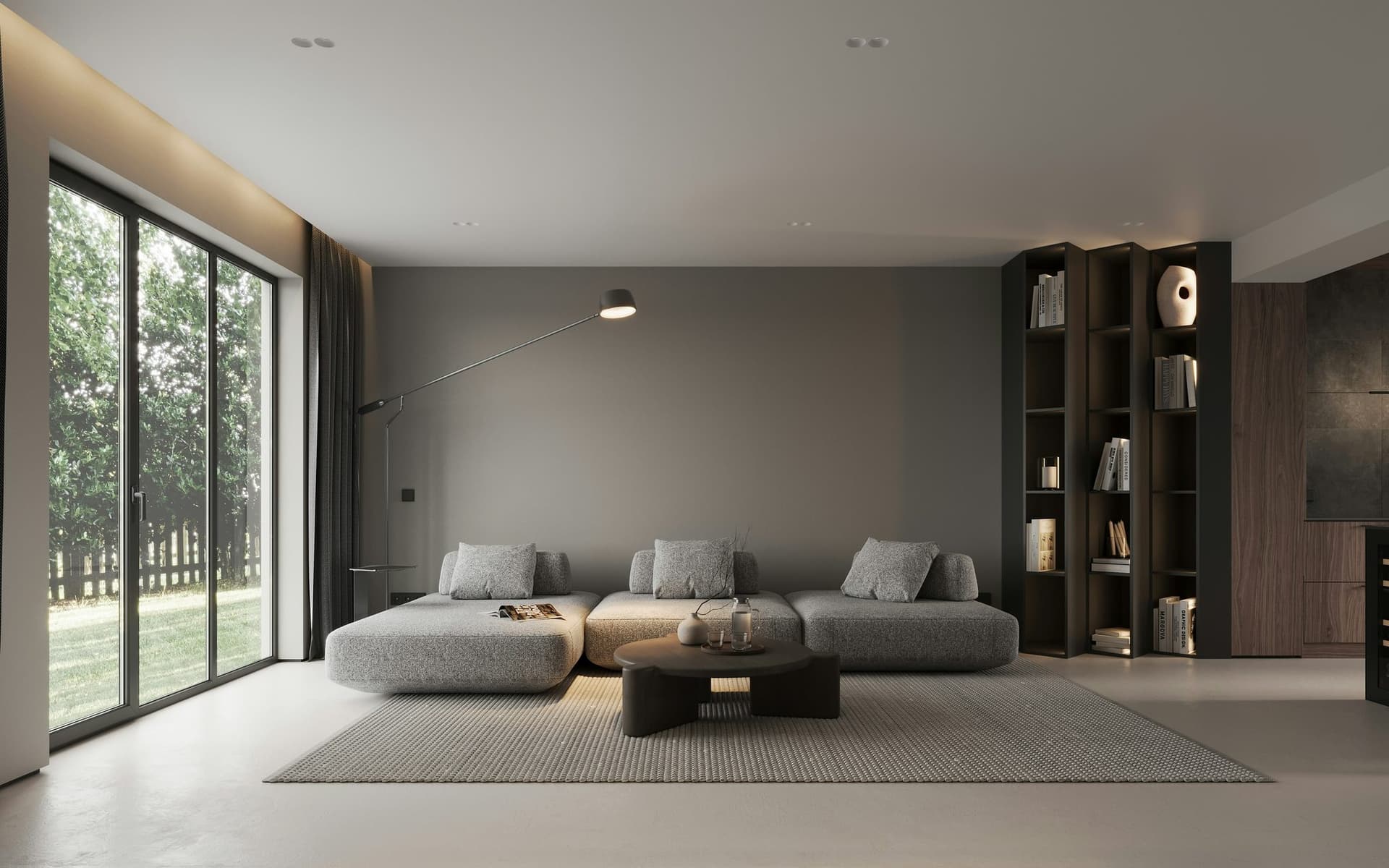
A room designed for rest does not necessarily require a renovation or even a dedicated space. A comfortable place to recline, adjustable lighting, control over the room’s temperature, and some separation from the busiest parts of a home can make an existing bedroom, den, or spare room better suited to downtime.
For people whose wellness routines include regular appointments outside a home, the space they return to can also become part of that routine. Patients receiving personalized longevity treatments at The Longevity Centers of America may, for example, prefer a quiet place to relax after an appointment rather than returning immediately to a brightly lit or heavily trafficked living area.
Here are five considerations for creating a room centered on comfort and rest.
1. Seating Designed for Reclining
A sofa that works well for conversation or entertaining is not always the most comfortable place to stretch out for an extended period. A chaise, daybed, deep sofa, or modular sectional can offer more flexibility for a room primarily intended for rest.
Washable upholstery is another practical consideration, particularly when the space gets frequent use. Home Reserve’s modular couch with washable covers offers removable fabric as well as storage beneath the seating, which can keep blankets, pillows, and other everyday items close at hand.
The precise choice matters less than having enough room to recline comfortably without rearranging furniture each time the space is used.
SUBSCRIBE TO THE HAVEN MAILING LIST
Curated homes, market intelligence and design stories — a few emails a month.
No spam. Unsubscribe any time.
2. Adjustable Lighting and Blackout Options
Lighting has an outsized influence on how a room feels. Instead of relying exclusively on bright overhead fixtures, table lamps, wall sconces, dimmers, or smart bulbs can provide softer light when the goal is to unwind.
Window treatments are worth considering as well. Blackout curtains or shades offer more control over daylight, particularly in bedrooms or other spaces used for naps and daytime rest.
A layered lighting plan also keeps the room versatile. Brighter illumination can remain available when needed, while individual fixtures allow the atmosphere to change without altering the entire room.
3. Control Over Temperature and Humidity
Comfort is highly personal, which makes independent temperature control useful in a room intended for rest. A thermostat, ceiling fan, portable fan, or other appropriate climate controls can make it easier to adjust the space without changing conditions throughout the house.
Humidity can matter as well, especially during seasons when indoor air becomes particularly dry. A room thermometer or humidity monitor offers a simple way to understand how conditions change throughout the year.
Rather than designing around one prescribed temperature or humidity level, the goal is a room that can be adjusted easily according to personal comfort and any guidance provided by a healthcare professional.
4. Some Separation From the Rest of the Home
A quiet room becomes considerably less restful when it sits directly beside household traffic, televisions, kitchen activity, or frequent interruptions.
The simplest solution may already exist: a spare bedroom, office, den, or other room with a door. In an open floor plan, curtains, screens, shelving, or furniture placement can create a greater sense of separation without permanent construction.
Smaller visual cues can help define the space too. A rug, dedicated reading lamp, or distinct furniture arrangement can establish a clear area for rest even when an entire room is not available.
5. Keep the Space Easy to Use
A wellness room is most useful when it does not require preparation every time someone wants to use it. Keeping blankets, water, reading material, chargers, or other frequently used items nearby can reduce the need to move throughout the house once settled in.
The room can also support routines beyond appointments. Reading, stretching, meditation, an afternoon nap, or simply taking time away from screens can all give the space a purpose throughout the week.
Anyone recovering from a procedure or receiving medical treatment should follow the specific instructions provided by their healthcare professional rather than relying on a general home routine.
Creating a Room for Rest
An effective recovery space does not have to announce itself as a wellness room. Comfortable seating, softer lighting, adjustable environmental controls, and a degree of privacy can be enough to make an existing room feel noticeably calmer.
The most useful spaces are also adaptable. A bedroom might serve as the recovery room after an appointment and return to everyday use later that evening, while a den or spare room can accommodate rest without becoming dedicated to a single purpose. The goal is simply to make downtime easier when it is needed.