Sponsored Content
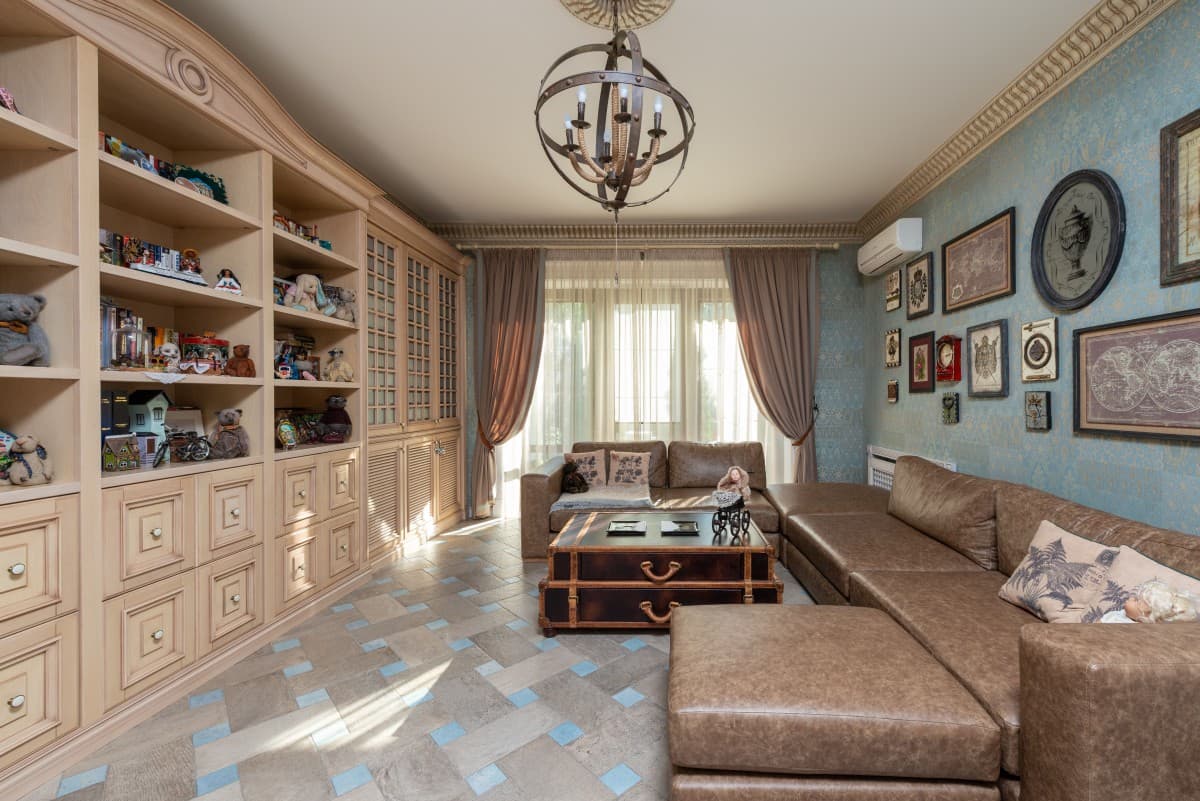
Image by Max Vakhtbovych from Pexels
For collectors with the space to dedicate an entire room to their interests, display is only part of the equation. Lighting, climate control, storage, and flexibility all play a role in how a collection looks—and how well it holds up over time.
The strongest rooms start with the objects that are most important, then build the surrounding infrastructure around them. From museum-style cases to specialized equipment, these six additions can help turn a spare room, garage, library, or gallery into a space designed with a collection in mind.
1. Museum-Grade Display Cases With UV-Filtering Glazing
For objects vulnerable to sunlight, a well-made display case offers protection without keeping the collection out of sight. UV-filtering glazing can reduce exposure that contributes to fading and deterioration over time, particularly for paper, textiles, photographs, memorabilia, and other light-sensitive materials.
Custom cases can also incorporate locks, seals, integrated lighting, and conservation-conscious interior materials. The dimensions and materials should ultimately depend on what is being displayed, especially when the collection includes fragile or unusually shaped pieces.
SUBSCRIBE TO THE HAVEN MAILING LIST
Curated homes, market intelligence and design stories — a few emails a month.
No spam. Unsubscribe any time.
2. A Two-Post Vehicle Lift
For a collector who works on or closely maintains their own cars, a two-post lift can make the garage as functional as it is display-oriented. Raising a vehicle provides easier access to the chassis, suspension, exhaust, and other components that are difficult to inspect from the floor.
A durable Challenger car lift from HeavyLift Direct can serve collectors who want regular access to the underside of a vehicle without sacrificing valuable garage floor space to a permanent work area.
Before installation, the garage itself needs to be evaluated. Slab thickness, ceiling height, electrical requirements, anchoring, and the specifications of the lift all need to be considered, and installation should follow the manufacturer’s requirements.
3. Track and Picture Lighting on a Separate Circuit
Lighting can determine whether a collection reads as a carefully considered display or simply a room filled with objects. Track and picture fixtures allow light to be directed toward individual works, cases, or architectural features, while a separate dimming zone provides more control than standard overhead fixtures.
Fixture placement matters particularly for framed works and glass-fronted cases, where glare can obscure what is on display. For a room under construction or renovation, lighting locations are worth establishing before the walls and ceilings are finished.
4. A Standing Suit of Armor as a Statement Piece
Some collections benefit from one large-scale object that immediately establishes the room’s character. A standing suit of armor offers height and sculptural presence, making it particularly suited to a library, game room, or collection centered on history and medieval objects.
A functional full suit of knight armor from Medieval Collectibles offers one readily available option outside the auction market. Because of its scale, the piece needs enough open floor area to be viewed comfortably without interfering with circulation.
The same principle applies beyond armor. A vintage motorcycle, oversized sculpture, large musical instrument, or another substantial object can provide a focal point around which smaller pieces are arranged.
5. Climate and Humidity Control
Temperature and humidity may be less visible than display cases or lighting, but they can be among the most important considerations in a room intended for valuable objects.
Wood, paper, leather, metal, canvas, and electronics can all respond poorly to significant environmental fluctuations. Appropriate climate control helps create more stable conditions across the room rather than relying solely on individual cases to protect sensitive pieces.
The requirements will vary considerably by collection, but temperature and humidity are worth considering early in the design process, particularly for rooms located in basements, garages, attics, or other spaces with greater seasonal variation.
6. A Wall-Mounted Rail or Plinth System
Few collections remain static. New pieces arrive, others move elsewhere, and displays change as interests develop. Adjustable rails, plinths, and similar mounting systems allow the arrangement to evolve without repeatedly drilling into or repairing finished walls.
The fixed elements of the room can be planned around the largest or most important pieces, while smaller objects remain easier to reposition. For collectors who rotate what they display, that flexibility can make the room considerably easier to maintain over time.
Designing a Room Around the Collection
A well-planned collector’s room has to do more than showcase what is inside it. Display cases and environmental controls help protect vulnerable pieces, specialized equipment can make certain collections easier to maintain, and flexible lighting and mounting systems allow the room to change over time.
The starting point should be the objects that are least likely to move. Their scale, placement, lighting, and preservation needs can establish the framework for the room, while the rest of the display remains adaptable as the collection changes.