
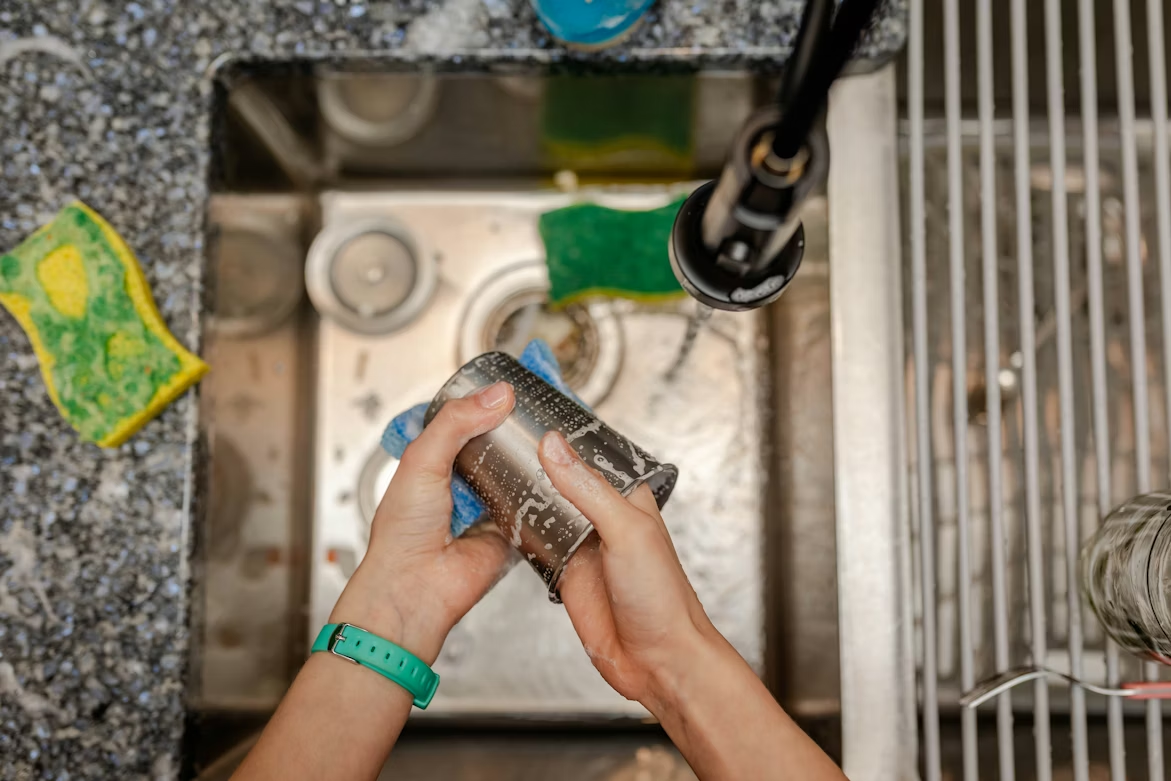
Keeping your kitchen clean can sometimes seem like an impossible task, especially if you’re fond of cooking and baking and enjoy experimenting with different foods. In fact, it can sometimes seem like your kitchen attracts messes, as you’ve most likely noticed during your last deep cleaning sessions. All the nooks and crannies seem to have stains on them, some of which can be really pesky to remove.
Expecting your home to look like something out of the pages of a magazine isn’t a realistic expectation to have when it comes to your home, and putting pressure on yourself over it may only serve to frustrate instead of help you in any constructive way. However, that doesn’t mean you shouldn’t aim to keep things as clean as possible, since letting grime accumulate in the place where you prepare meals is the furthest thing from hygienic.
The Cabinets
The kitchen units and cupboards are the centerpieces of your kitchen, the areas that draw the eye when you first set foot in the room. When you were picking out the other elements that make up your kitchen décor, including the backsplash, appliances, and the color of your walls, you may have considered the cabinets as the reference and made sure that everything else didn’t clash with them. They’re not just important for design, though; the cabinets you choose need to be functional, capable of storing all your dishware and appliances, as well as made from a robust material that can withstand the effects of steam and hot temperatures.
Cleaning the units is typically a straightforward endeavour, but there are situations in which you need to pay a little more attention. For instance, if you have to clean your gloss cabinets, you’ll have to scrub them carefully. If the material is painted, let’s say you own refreshing green kitchen cabinets, you need to be extra careful to avoid any damage. Look for mild products that can remove grime without causing the paint to become brittle or start peeling.
Warm water and soap can also be used so you don’t resort to harsh cleaning products. It’s always better to be safe since they can lead to erosion over time and can even cause permanent staining after a single use. Remember to be gentle when cleaning as well, so that you don’t cause any mechanical damage by scrubbing too hard.
SUBSCRIBE TO THE HAVEN MAILING LIST
Curated homes, market intelligence and design stories — a few emails a month.
No spam. Unsubscribe any time.
Deal With the Clutter
Having clutter piled on different surfaces in your home is not at all unheard of. In fact, it is quite common. Sometimes you just don’t have it in you to stack everything away into a neat little cupboard, and that’s nothing to be ashamed of. However, clutter shouldn’t be allowed to accumulate over several days either, as it will end up causing quite a lot of trouble. It will be much more difficult to clean as well, since spills and stains can end up in these other areas, meaning that you have more work to do.
If you don’t have enough room for everything anymore, consider decluttering. It’s quite possible that you’ve accumulated quite a few things that you could do without over the years. In fact, it might turn out that you never really used these items all that much in the first place, and there’s no reason to let them take up space. If you want to cover all these little odds and ends, you can do so by covering them with a neat blanket that will add to the interior design as well.
The Worktop
The kitchen worktop sees a lot of use and, as a result, a lot of wear and tear as well. It’s important to look after it and try to clean spills and messes as soon as possible to avoid long-term staining. You should always use a cutting board to protect the surface from chipping, avoid abrasive cleaners, and avoid placing hot pots or pans directly on the worktop. Regardless of the material, you’ll need to learn about resealing and giving them additional care.
For instance, granite requires resealing every one to two years to maintain resistance to stains. You can test this yourself by looking to see if water beads on the surface. Marble worktops, on the other hand, are more sensitive to damage, meaning that you need to reseal them every six to twelve months. However, the exact frequency can differ depending on the sealant and how much you use your worktop. Remember to avoid creating unnecessary messes as well, so don’t place dirty utensils on the counter; use a small dish or even a paper towel instead.
Ideally, after you’re done using the kitchen at the end of the evening, you should do one last sweep to make sure you’ve removed all crumbs and food remnants.
Careful Planning
Don’t let chef’s knives, strainers, or cheese graters sit before cleaning them. Cleaning them right away means that you don’t have to deal with the rather unpleasant task of scrubbing dried food from these items, something that could take a long while and ultimately have unsatisfying results anyway, as you might just get bored halfway through and give up. If possible, you should designate certain areas of your kitchen for specific tasks. This prevents dirt from ending up in every corner of the kitchen.
For instance, if you have an area that is designated for baking, you know that you’re more likely to spill milk, cream, and sugar in these areas, but you’ll only have that smaller portion to deal with. Strive to keep your sink as empty as possible. It can be subconscious in many cases, but if you pay attention, you’ll notice that leaving a dirty fork or mug in the sink often means that you end up stacking several plates and bowls on top as well.
The kitchen floor can get dirty really quickly if it’s not properly maintained as well. Sweeping daily, or at least once every two days, will keep the floors clean, and you don’t need to spend more than five minutes doing it. When they get dirty, you might have to scrub and scrape much more.
The best advice is to clean messes as soon as possible. Letting them grow will make your work much more challenging.