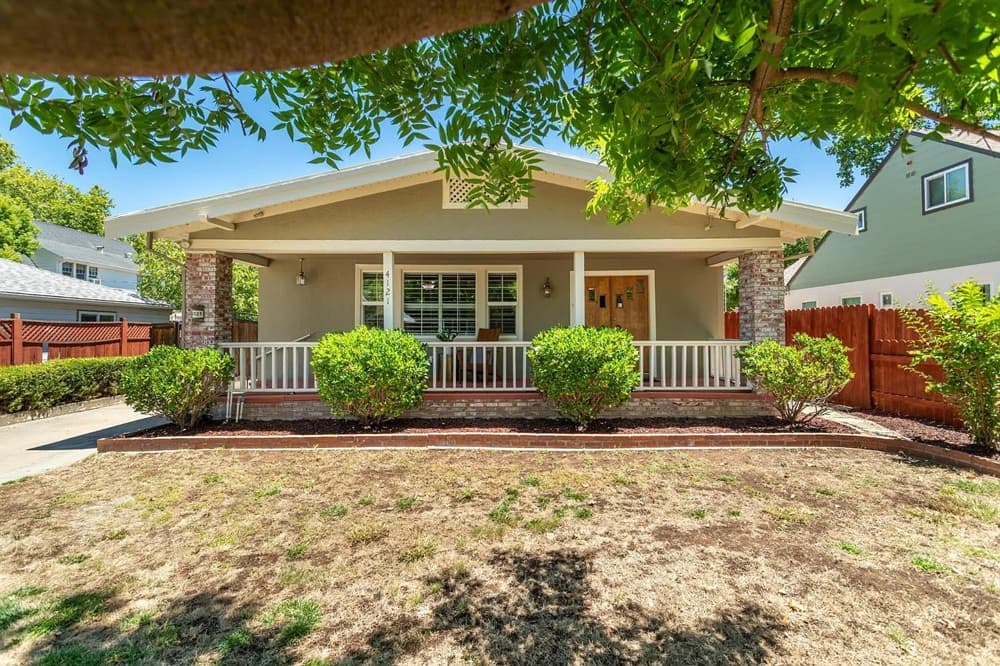


Montreal, QC
The latest national data from Canada’s resale market showed another increase in activity in July. Sales rose for the fourth month in a row, prices were nearly unchanged, and the balance between supply and demand moved closer to historical norms.
The improvement remains uneven across the country. Sales remain below last year’s levels, and much of the improvement has come without a strong return in demand. Ontario and British Columbia continue to lag several other parts of the country, while housing starts were down sharply in July.
A Better Summer for Resales
Home sales through Canadian MLS® Systems increased 0.5% from June to July, according to the Canadian Real Estate Association. Sales have now risen each month since April.
The four-month streak of gains is notable after the weakness seen earlier this year. July activity was still 5.3% below the same month last year, but the market is no longer trending the way it was in the winter and early spring.
CREA has also seen more regions move toward balanced conditions, including markets across the Prairies, Quebec, and the East Coast, along with B.C.’s Lower Mainland and Ontario’s Greater Golden Horseshoe.
Part of that shift is coming from the supply side. New listings fell 1.6% in July, marking a third consecutive monthly decline. The national sales-to-new-listings ratio rose to 51.3%, close to its long-term average of 54.7%, while inventory stood at 4.7 months nationally.
SUBSCRIBE TO THE HAVEN MAILING LIST
Curated homes, market intelligence and design stories — a few emails a month.
No spam. Unsubscribe any time.
Prices Stop Sliding
July also brought the first monthly increase in CREA’s National Composite MLS® Home Price Index since November 2024. The index rose 0.1% from June.
Prices have more ground to make up. The index remained 3.3% below its July 2025 level, even as that annual decline continued to narrow. The national average sale price, which is measured separately, reached $674,819 in July, up 0.2% from a year earlier.
Conditions vary by region. Ontario and British Columbia have been among the softer parts of the country, while markets in parts of the Prairies and Atlantic Canada have been more resilient.
Full-year forecasts still carry the effects of the weaker first half. RBC Economics expects home resales to decline 3.6% this year. CREA expects a smaller 1.4% decrease, with about 463,300 properties projected to sell.
Construction Is Losing Momentum
The resale market may be finding more stability, but new construction weakened considerably in July. Canada Mortgage and Housing Corporation reported that actual housing starts in centers with populations of 10,000 or more fell 19% from July 2025. Starts through the first seven months of the year were down 4%.
That slowdown is not simply a response to interest rates. CMHC’s summer outlook notes weaker demand, high development costs, and inventories of unsold homes as pressures on builders. Ontario and British Columbia are expected to see particularly weak construction, especially in the condominium market.
For now, the slowdown in construction is happening at the same time that some existing-home markets still have ample choice. If starts remain low for an extended period, inventory could tighten once demand picks up.
Rates Stay Put Heading Into Fall
The Bank of Canada kept its policy rate at 2.25% on September 2, where it has remained since late 2025.
The Bank said recent economic data have largely tracked its July forecast, though new U.S. tariffs have made the growth outlook less certain and inflation risks have increased.
The Bank’s decision leaves the policy rate unchanged heading into the fall, following a July that brought another rise in sales and the first monthly increase in CREA’s price index since November 2024. Ontario and British Columbia will be important to watch in the months ahead after weaker conditions so far this year.