No matter the size of your home, a few common mistakes can make it feel much smaller than it really is. Maybe the space felt open and airy during your first walk-through, but once all your furniture and decor are in place, things suddenly feel tight and disorganized. If that sounds familiar, you’re not alone. A lot of popular design advice can actually backfire, creating an optical illusion that shrinks your space visually. This leaves you with a home that feels tighter, darker, and much more cluttered than it really is. Here are a few design blunders that might be making your home feel smaller and what you can do to fix them.
Having Too Much Stuff in Too Little Space
A room can easily feel cramped if it’s jam-packed with stuff. Even if each piece looks great on its own, too many items in one space overwhelm the eye and disrupt the natural flow. If a room feels like it has no breathing room, start by removing a few things (especially the smaller items you don’t really need) and see how it feels. You’d be surprised how just a bit of decluttering can make a space look and feel bigger.
If the room is packed with bulky furniture or clutter that has nowhere to go, simply cleaning out your closet or tossing a few knickknacks might not cut it. In that case, make sure you have a plan to remove waste from home cleanouts so you’re not just shuffling junk around the house—otherwise, the clutter will just take over somewhere else. You don’t need to go full minimalist, but thoughtfully editing it down can make a big impact.
SUBSCRIBE TO THE HAVEN MAILING LIST
Curated homes, market intelligence and design stories — a few emails a month.
No spam. Unsubscribe any time.
Using Colors That Are Too Dark
Dark colors can work in the right space, but in others, they can make the entire room feel smaller and more closed in. Moody shades create an illusion of the walls closing in by messing with our depth perception. This doesn’t just apply to paint colors—things like dark wood, furniture, curtains can all have the same effect. Anything that isn’t light in color will absorb rather than reflect light, making the space feel heavier.
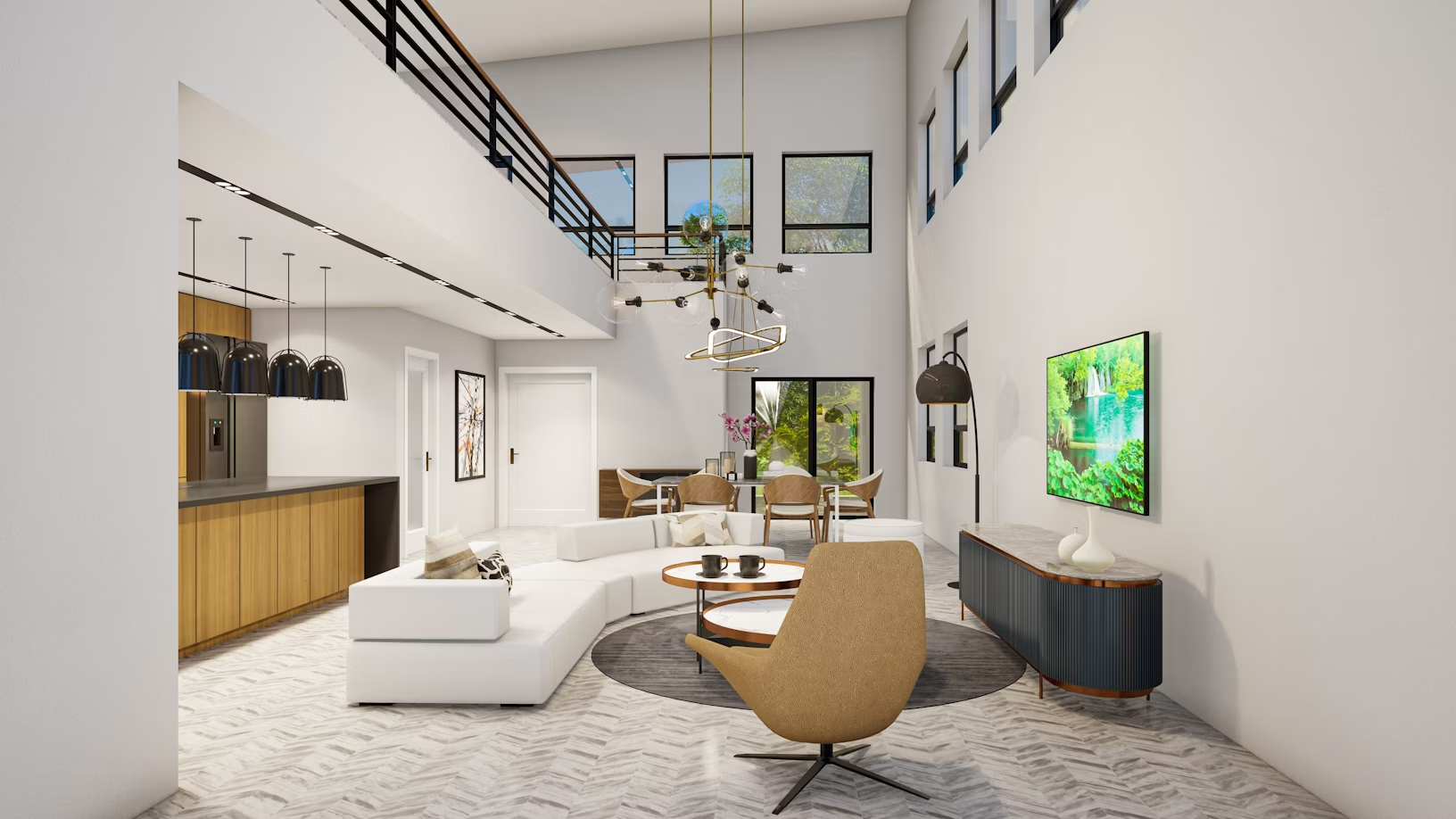
An easy fix is simply swapping darker items out for lighter ones. Even just a few changes can make a dramatic difference. Focus on large-impact items like area rugs, wall paint, or major furniture pieces. You don’t need to paint everything bright white, but even going a few shades lighter in the same color family can help. Prioritize your walls and floors—the more light they bounce around, the more spacious the room will feel.
Pushing Everything Up Against the Walls
Most of us are used to pushing furniture against the walls, thinking it’ll make the room feel bigger, but that can actually have the opposite effect. While it might open up the center, it often leaves the layout feeling awkward and boxed in. Instead, try pulling a few pieces toward the middle.
It may sound counterintuitive, but moving things away from the walls can make the space feel more balanced and create more breathing room. For example, instead of lining your couch and armchairs along the perimeter, try angling them inward around a rug or coffee table to create a layout that feels cozier and more intentional. This gives the room a natural focal point and breaks up all that empty wall space.
Simple Changes, Big Impact
You don’t need a huge house to make it feel open and livable. With a few smart choices around layout, color, and what you keep in the room, even a small space can feel brighter, roomier, and way more comfortable.