Craftsbury, VT
Across the Northeast, winter travel patterns are shifting. Recent travel patterns suggest travelers are increasingly moving away from crowded ski mountains and heavily marketed resort towns, gravitating instead toward quieter communities where winter still feels genuine.
These New England destinations stand apart from the Instagram-famous ski hubs and coastal retreats that dominate travel guides. While Stowe, Killington, and Sunday River draw predictable winter crowds, many smaller New England towns preserve a different character entirely. Here, winter is not curated to visitor expectations; it simply unfolds, revealing a slower pace, preserved landscapes, and communities that exist primarily for themselves.
1. Litchfield, CT
In northwestern Connecticut, Litchfield offers a quiet form of New England elegance. Its broad town green, Federal-era homes, and white-steepled church create a setting that feels preserved rather than manufactured. Winter is particularly calm: the summer visitors who frequent the region’s lakes and hiking trails disperse, leaving behind open roads and quiet forests. Outdoor access is modest but rewarding, with state forests and scenic backroads well-suited for winter walks. Real estate demand centers on historic homes and acreage.
SUBSCRIBE TO THE HAVEN MAILING LIST
Curated homes, market intelligence and design stories — a few emails a month.
No spam. Unsubscribe any time.


2. Craftsbury, VT
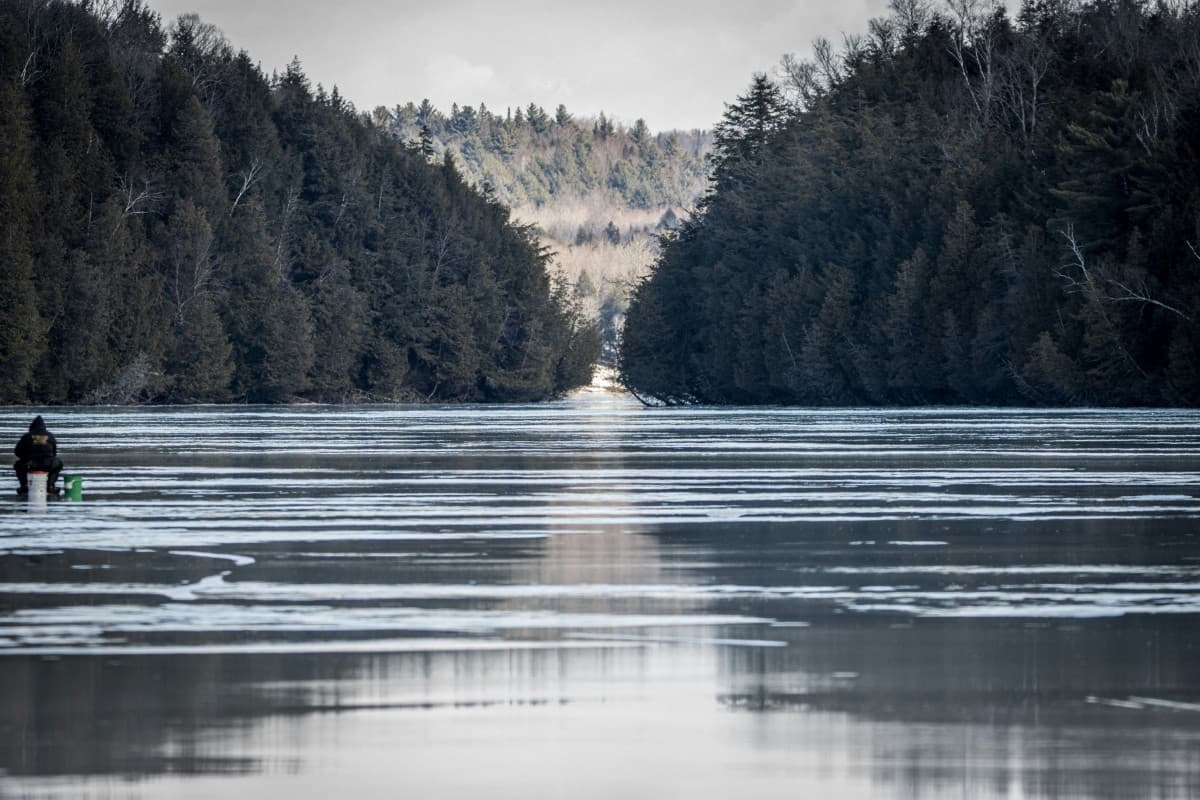
Craftsbury, in Vermont’s Northeast Kingdom, exemplifies an unvarnished version of the state’s rural character. The village is organized around community institutions—farms, a small village center, and the well-known Craftsbury Outdoor Center—rather than resort amenities. Winter draws cross-country skiers and those seeking stillness, not crowds. Architecture remains functional and traditional: farmhouses, simple cottages, and historic buildings. The local property market reflects this ethos, with buyers prioritizing rural land and homes connected to the surrounding landscape.
Bethel, ME
Set in Maine’s western mountains, Bethel occupies a middle ground: known enough to have infrastructure, but small enough to retain genuine character. Downtown functions as a true community center, with local businesses operating for residents as much as visitors. While Sunday River Resort sits nearby, Bethel has largely resisted the scale of commercialization seen in nearby resort zones. Winter brings a particular clarity to the surrounding peaks, and outdoor access—from forest trails to state parks—remains one of its defining appeals. The real estate market is shaped by land, landscape views, and modest year-round homes.
4. Tamworth, NH
In the foothills of the White Mountains, Tamworth remains well outside the typical New England winter itinerary. The village center—anchored by historic buildings, a small arts community, and preserved civic structures—maintains an unhurried, year-round rhythm. Winter here is defined by deep snow, quiet roads, and access to surrounding conservation areas without the resort infrastructure found in nearby mountain regions. Real estate demand is steady but modest, focused on historic homes, small cabins, and properties valued for natural setting.
5. Woodstock, VT
Although Woodstock has earned broader attention in recent years, it remains less commercialized than many large-scale resort destinations. The iconic village green, covered bridge, and period architecture give the town a picturesque quality, but its surrounding landscape of working farms and forests keeps it grounded. Winter strips away the busyness of peak travel season, revealing the town’s underlying structure—the architecture, the real community rhythms, and a landscape that feels lived-in rather than curated. The property market reflects steady demand for historic homes and modest village properties rooted in the town’s enduring appeal.
6. Waterbury, VT
Often overshadowed by neighboring Stowe, Waterbury offers a more grounded interpretation of Vermont mountain town life. Its downtown is a functioning community hub with local businesses, a respected brewery, and an active year-round population. Outdoor recreation is abundant, but without the amplified infrastructure of a resort town. Winter here retains an everyday quality: snow on porches, quiet streets, and trail access just beyond town. Real estate demand is consistent, centered on homes with character, modest land, and access to both community and outdoor amenities.