Kentucky
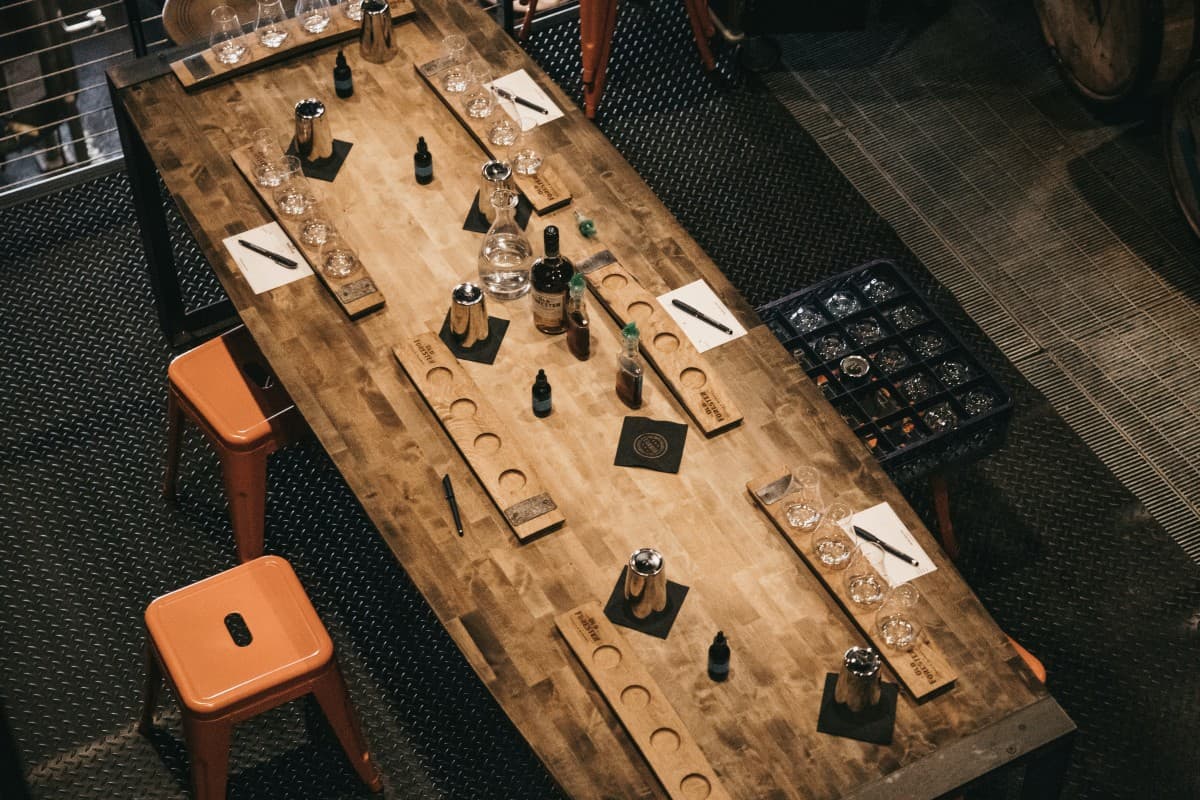
In February, the Kentucky Distillers’ Association said there are now Kentucky Bourbon Trail experiences in 35 of Kentucky’s 120 counties, a sign that the trail is extending into smaller communities and newer parts of the state, broadening the map far beyond its traditional core.
As the Bourbon Trail spreads from a more concentrated corridor into a wider statewide network, it also changes how buyers think about Kentucky as a weekend-home market—especially buyers from Tennessee and the broader Southeast who want a destination they can visit regularly.
From One Weekend Route to a Return-Again Destination
The most important part of the Bourbon Trail’s latest expansion is the way those additions alter travel behavior. When a destination network becomes larger and more geographically dispersed, visitors are less likely to see it all on one trip. They begin to travel by cluster, by mood, or by town base—one weekend centered around Louisville, another around Bardstown or Frankfort, another built around Lexington and Georgetown.
A market tied to repeat visits tends to reward places with staying power. The towns best positioned here are not just the ones with a distillery stop nearby; they are the ones that can hold a weekend with a good dinner scene, walkable blocks, appealing housing stock, and a strong local culture.
SUBSCRIBE TO THE HAVEN MAILING LIST
Curated homes, market intelligence and design stories — a few emails a month.
No spam. Unsubscribe any time.


Three Kinds of Towns Are Especially Well Positioned
- Communities around major cities: In these markets near Louisville and Lexington, bourbon is a key player in the lifestyle, but so is a peaceful atmosphere and nearby activity and infrastructure.
- Heritage-forward towns: In these markets, bourbon culture overlaps with historic main streets, older homes, and long-standing local businesses. They tend to appeal to buyers looking for places that feel visually distinctive and lived-in.
- Towns newly boosted by Bourbon Trail visibility: In these markets, housing may still be more accessible and the energy is less finished. A new stop can draw more weekend traffic and eventually more renovation activity. For some buyers, that earlier-stage feel is the point. They are not looking for a fully established scene; they want to enter while a town is still developing.
Kentucky Is Competing as a Network Now
What the Kentucky Distillers’ Association is building increasingly looks like a more flexible statewide system. That is reinforced by the group’s newer “Build Your Own Bourbon Trail” trip-planning push, which highlights how travelers can move through different regions rather than follow one prescribed corridor.
For real estate, it means more towns can credibly compete for weekend-home demand, but it also raises the bar. The places that stand out are the ones that feel genuinely hospitable and livable, offer more than a single attraction, and allow tourism to support the local rhythm.
Why This Matters for Second-Home Buyers Now
For buyers from Nashville, Knoxville, and elsewhere in the Southeast, Kentucky’s bourbon country is increasingly appealing as a repeat-use lifestyle market. A second home here can work as a flexible base for long weekends, spontaneous drives, and small-group entertaining, while still offering the sense of ritual that makes people return to a place again and again.
The bigger trend is the rise of Kentucky towns that can host beautifully and live easily at the same time. In that sense, the Bourbon Trail’s latest growth is not simply broadening where people visit, but also broadening where they may want to own.