

Javier Romero
In Downtown Brooklyn, The Brook is using botanical design to bring a more nature-focused residential experience into one of New York’s busiest urban settings.
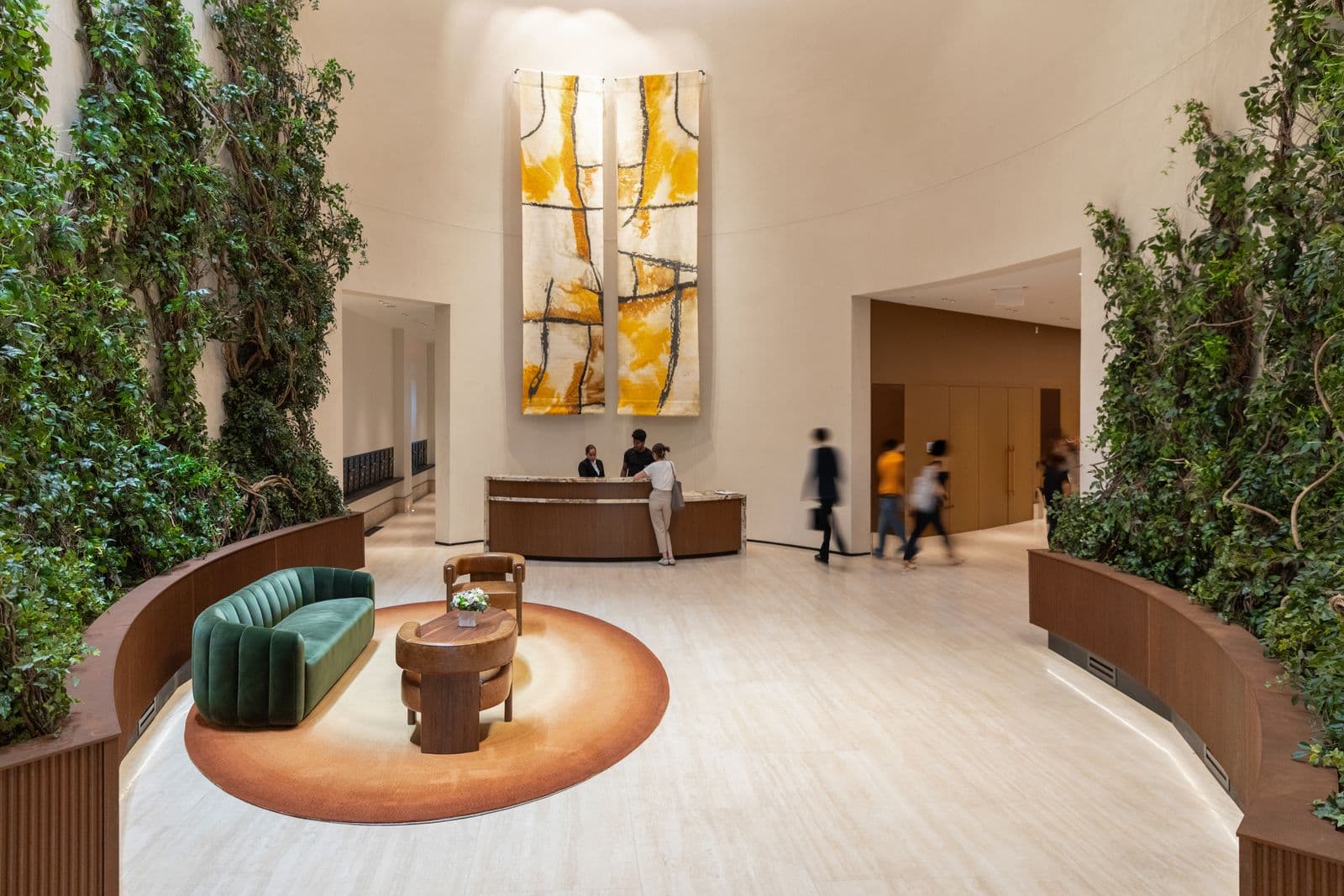
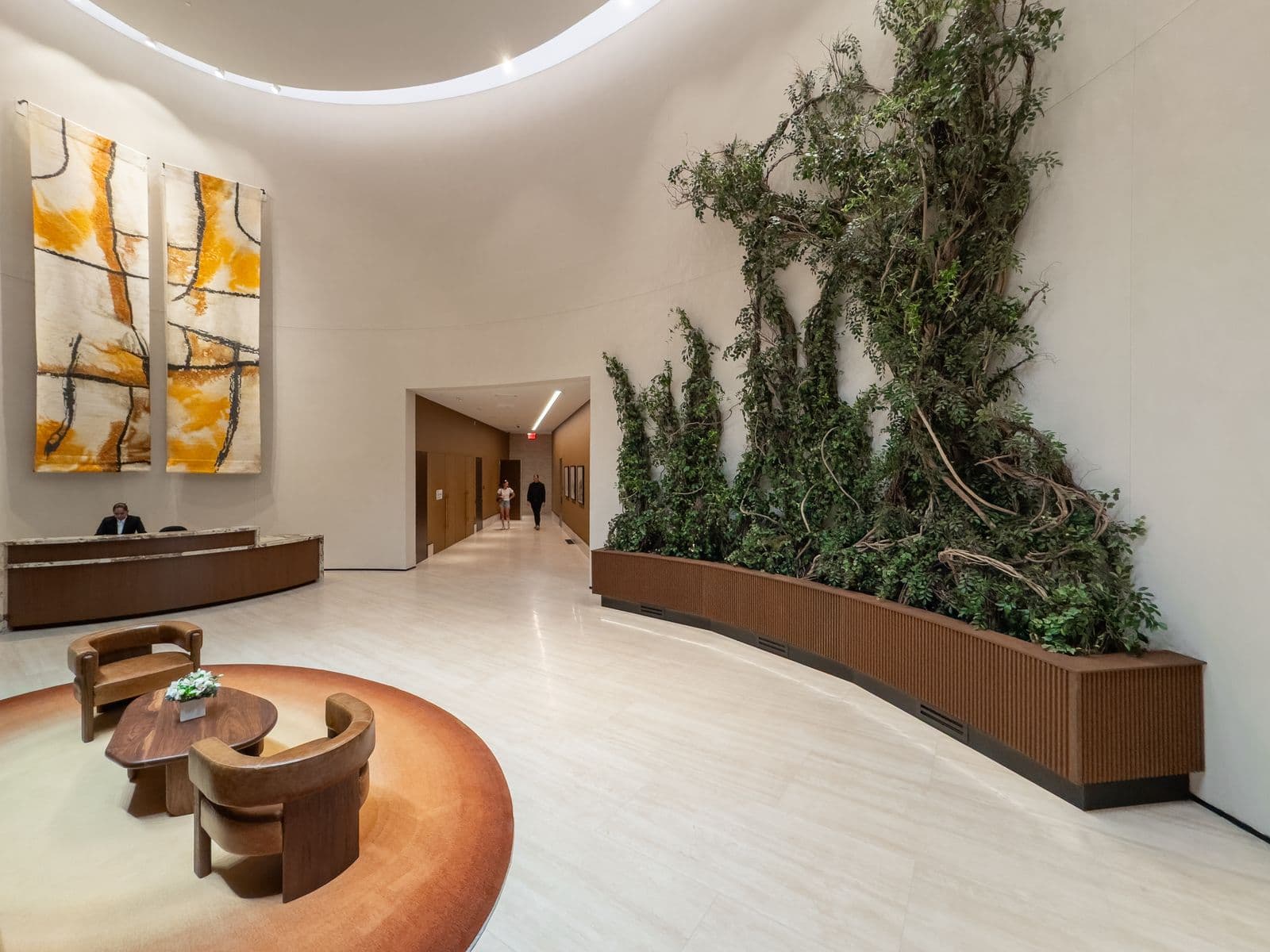
The 52-story luxury rental tower was developed by Witkoff and Apollo, with architecture by Beyer Blinder Belle and interiors by Bonetti/Kozerski. A highlight feature of the building is The Biosphere at The Brook, a 30-foot botanical installation by Floratorium. Known for large-scale floral and botanical work across hospitality, retail, and cultural spaces, the studio created an immersive environment that extends from the lobby into the building’s resident amenity areas.
“Residents have responded enthusiastically, commenting on the sense of calm and beauty they experience the moment they step inside,” said Hiro Sato, Senior Vice President of Development at Witkoff. “It’s a wonderful way to be welcomed home.”
SUBSCRIBE TO THE HAVEN MAILING LIST
Curated homes, market intelligence and design stories — a few emails a month.
No spam. Unsubscribe any time.
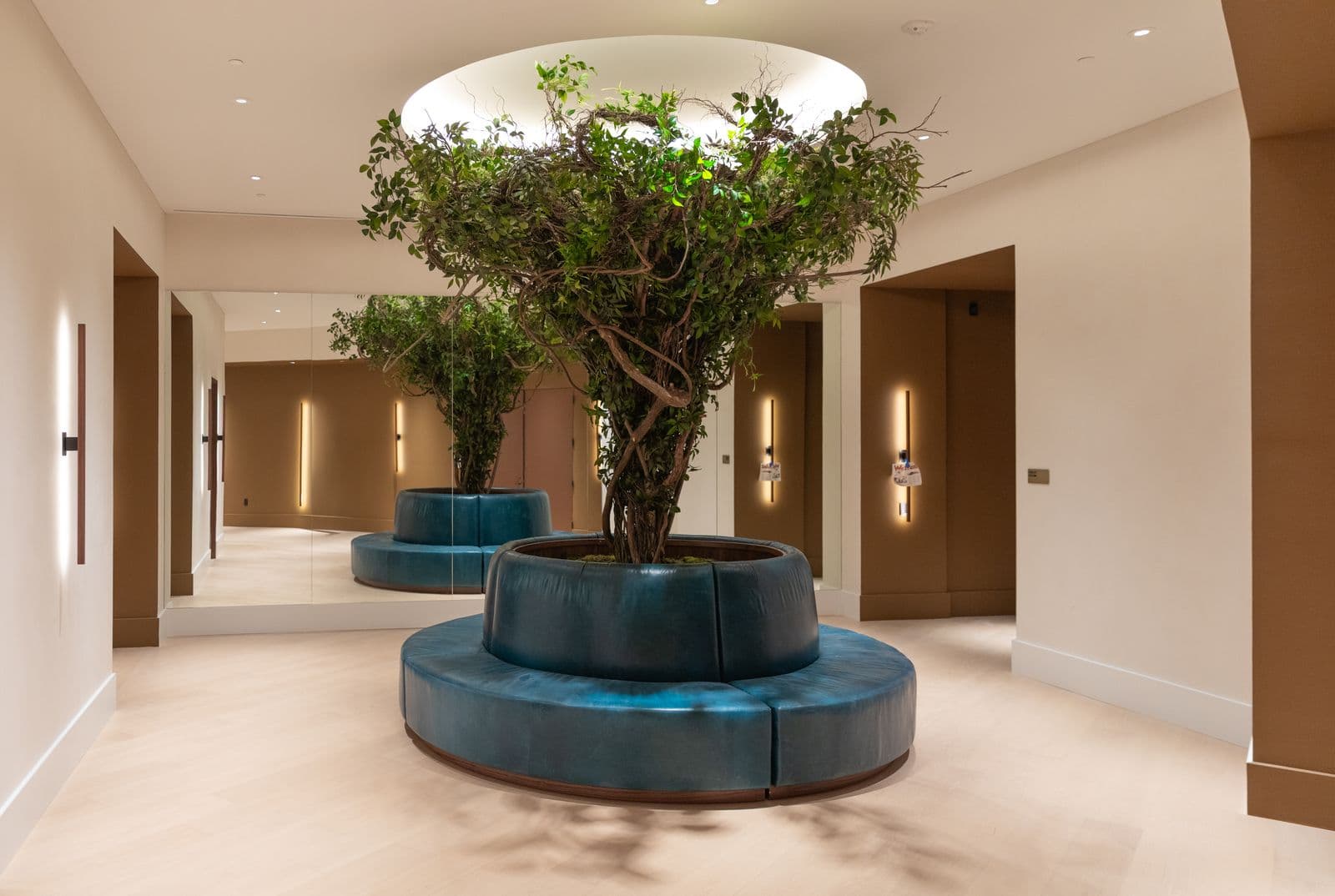
The installation combines real foraged materials from the New York Preserve, including wisteria vines, laurel branches, and curly willow, with hyper-realistic botanicals. It creates a dramatic indoor landscape that gives greenery a central role in the building.
“I wanted residents to walk into the lobby and feel grounded, inspired, and reminded that nature has its own rhythm — and that there’s beauty in allowing things to grow freely and authentically.”
— Carlos Franqui, Creative Director, Floratorium
For Carlos Franqui, Creative Director of Floratorium, the project was inspired by the way nature grows when left untouched. He looked to forests, gardens, and overgrown landscapes, where beauty often comes from movement, imperfection, density, and time rather than strict control.
Javier Romero
“I wanted to capture that feeling and reinterpret it within an architectural setting,” Franqui said. “Instead of creating something that felt decorative or overly controlled, I wanted the installation to feel alive.”
Hundreds of curly willow branches were individually braided and formed to suggest upward growth, while wisteria vines introduce softness and the feeling of nature gradually taking over the space. Floratorium also incorporated botanicals from its Biofauxlia line, including camellia foliage, jasmine vines, ivy, and moss, to create variation in texture and shades of green.
The project arrives as biophilic design continues to shape residential interiors. Once associated mainly with potted plants or living walls, the approach has become more architectural, with designers using natural materials, organic forms, and plant-based installations to make homes feel warmer and more restorative.
Javier Romero
According to the leasing team, more than 80% of residents work in high-intensity fields such as tech, finance, and law, with employers including Meta, Bloomberg, Microsoft, and Google. For residents coming home from fast-paced work environments, The Biosphere gives the building’s shared spaces a calmer atmosphere.
Javier Romero
For homeowners, the same trend can translate at a smaller scale. Indoor trees, sculptural branches, stone surfaces, wood finishes, woven materials, and vertical greenery can all create a more natural feeling at home without requiring a full living wall or major renovation.