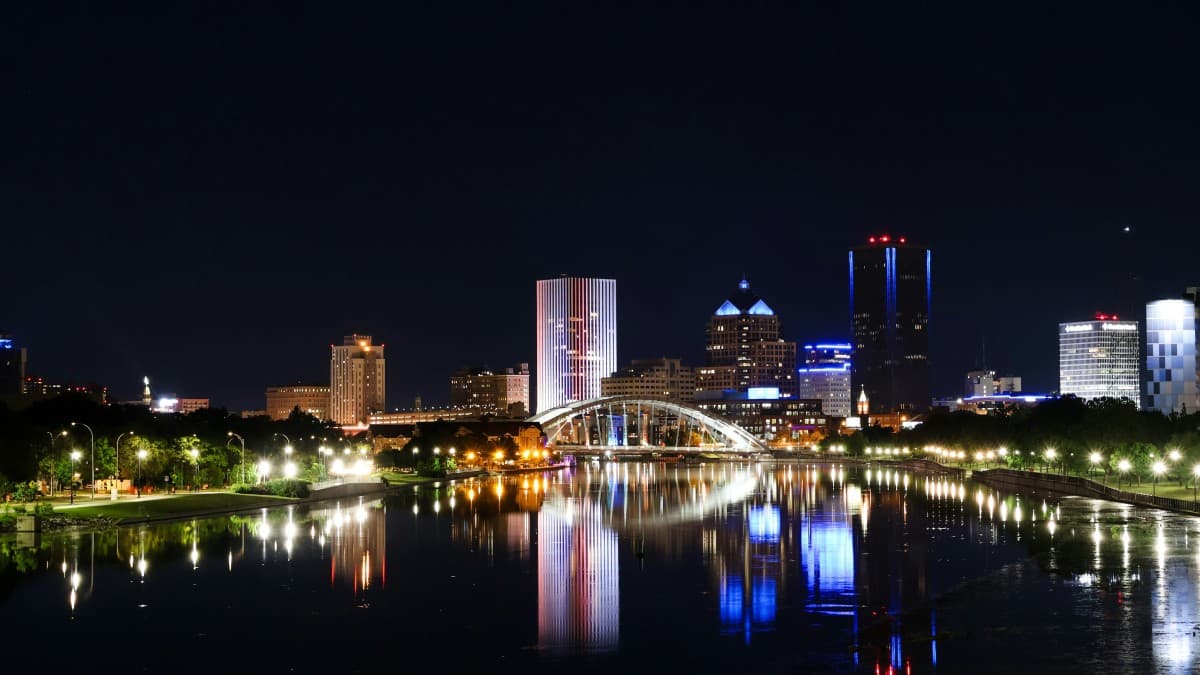
Rochester, NY
Upstate New York’s luxury market is not suddenly inexpensive, and it isn’t immune to the pressures reshaping housing nationally. But in early 2026, the region is benefiting from a set of conditions that feels newly legible to first-time buyers at the top end: steadier expectations around borrowing costs, a market narrative that is less fevered than it was a few years ago, and a growing willingness among households to define “luxury” through space, privacy, and lifestyle—not proximity to Manhattan.
A useful indicator of that shift is where first-time demand is expected to be strongest. In January, Realtor.com economists ranked Rochester as the No. 1 U.S. market for first-time homebuyers in 2026 and placed Syracuse at No. 6, based on a basket of measures including affordability, availability, and local amenities. Those rankings are not luxury-specific, but they help explain why Upstate metros are increasingly part of buyer conversations that would once have defaulted to downstate suburbs or nearby states.
For buyers moving upmarket—often those with substantial down payments, high incomes, or equity from previous ownership—this matters because the temperature of a region’s entry-level market tends to spill upward. When a metro is expected to be workable for first-time buyers overall, the broader environment can feel less like a scramble, involving fewer forced decisions, more time to compare properties, and a negotiation process that resembles deliberation rather than a contest.
A Market That Feels Less Rushed
Nationally, 2026 is being framed less as a dramatic rebound than as a year of incremental thaw. Realtor.com’s national housing forecast expects mortgage rates to average about 6.3% in 2026 and projects existing-home sales rising about 1.7% from 2025, alongside a continued recovery in for-sale inventory—nearly 9% year over year in their outlook. That’s not a return to the low-rate era, but it is a meaningful change from the volatility and sticker shock that dominated much of 2022 through 2024.
Other forecasters are more optimistic on rates. Fannie Mae’s January 2026 forecast puts the average 30-year fixed mortgage rate at 6.0% in 2026, with quarterly averages holding around 6.0% after 6.1% in Q1. The details will vary by lender, loan type, and borrower profile, but the direction of expectations has shifted from anxiety to planning.
In the luxury bracket where many first-time buyers enter—often roughly the high hundreds into the low millions, depending on the county—the math is unforgiving. A modest move in rates can change monthly payments enough to alter what feels responsible: whether to stretch for acreage, absorb higher taxes in a more coveted school district, or reserve capital for renovations on older housing stock.
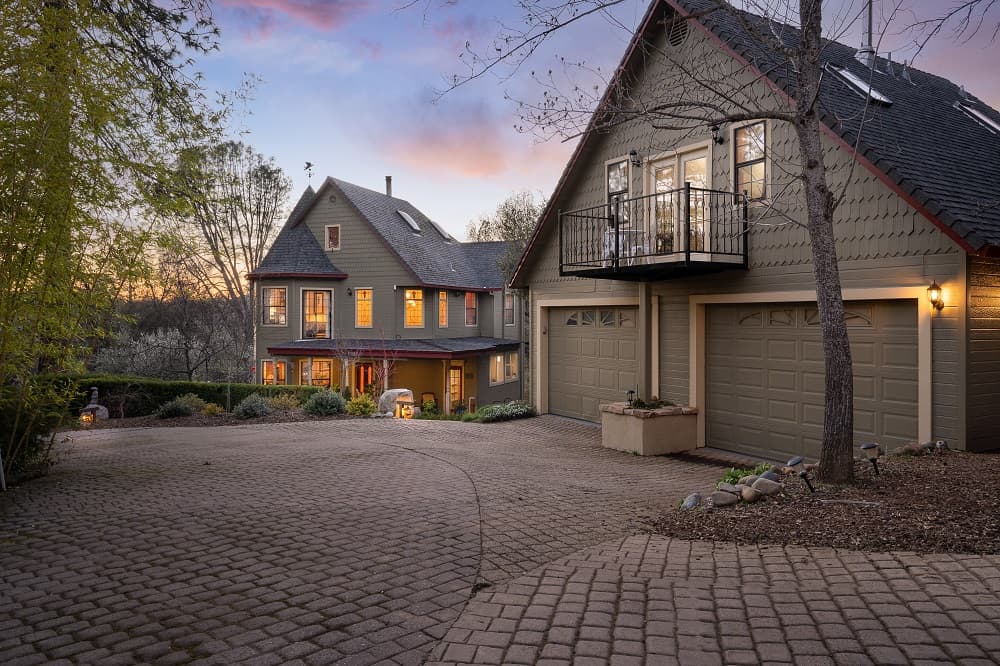
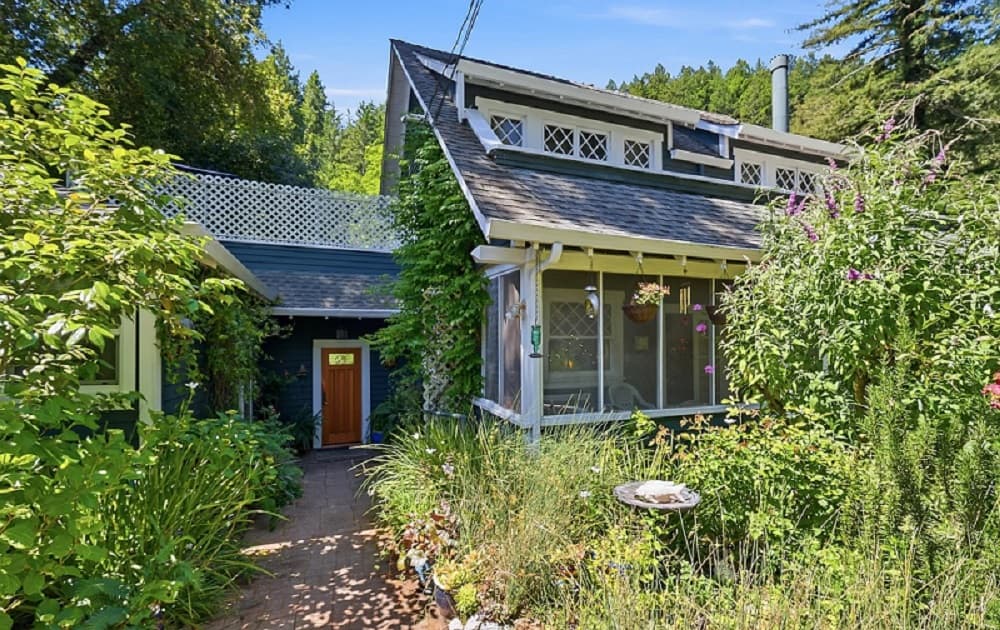
Just as important as the payment is the pace. When rates stabilize and buyers sense the market is not accelerating away from them, they behave differently. They revisit properties, request fuller disclosure, and treat inspection and contractor walkthroughs as normal rather than optional. In Upstate, where housing character is often a major part of the appeal—historic Victorians, farmhouses, lakefront properties, and period homes with real maintenance needs—that slower tempo can be the difference between a confident purchase and an anxious one.
SUBSCRIBE TO THE HAVEN MAILING LIST
Curated homes, market intelligence and design stories — a few emails a month.
No spam. Unsubscribe any time.
Why “Luxury” Looks Different Here
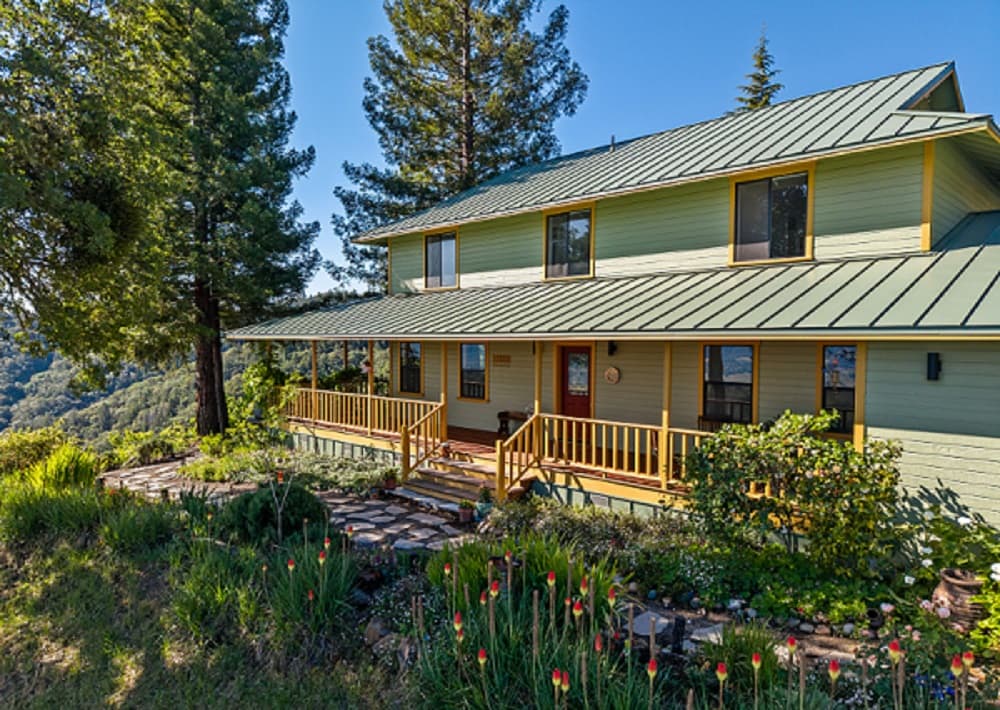
Luxury in Upstate New York is frequently defined by fundamentals that are harder to find closer to New York City: land, water, architectural integrity, and a lifestyle that feels less compressed. In the Hudson Valley, that might mean a restored older home with acreage and proximity to town. In the Finger Lakes, it can mean water views and design-forward new construction. In the Adirondacks, it often means privacy and seasonal access as much as square footage.
The buyers drawn to these properties are not all second-home shoppers. Remote and hybrid work have made it easier for some households to consider a primary residence at a greater distance, even as corporate policies continue to evolve. The more durable shift is not that everyone works from home—it’s that more people can structure their lives around fewer commutes, which expands the set of places that can function as “home” rather than “escape.”
What the Current Window May Signal
If Upstate metros remain relatively attractive to first-time buyers, the luxury market can become broader and more varied by extension. A wider buyer base tends to encourage modernization—especially in regions where older housing stock is common—because new owners are more likely to invest in mechanical upgrades, layouts that support contemporary living, and design changes that align with how households actually use space today.
This does not guarantee a permanent buyer advantage. Markets normalize. Inventory tightens. Borrowing costs shift. Yet 2026 is increasingly being described as a year in which buyers regain something that had been missing: time. Time to compare. Time to negotiate. Time to choose a home for fit rather than urgency.
Upstate New York has always offered lifestyle and landscape. What is changing, at least for the moment, is that the path into that lifestyle—particularly for first-time buyers shopping at the luxury edge—looks a little less sealed off than it did in the most competitive years of the decade.