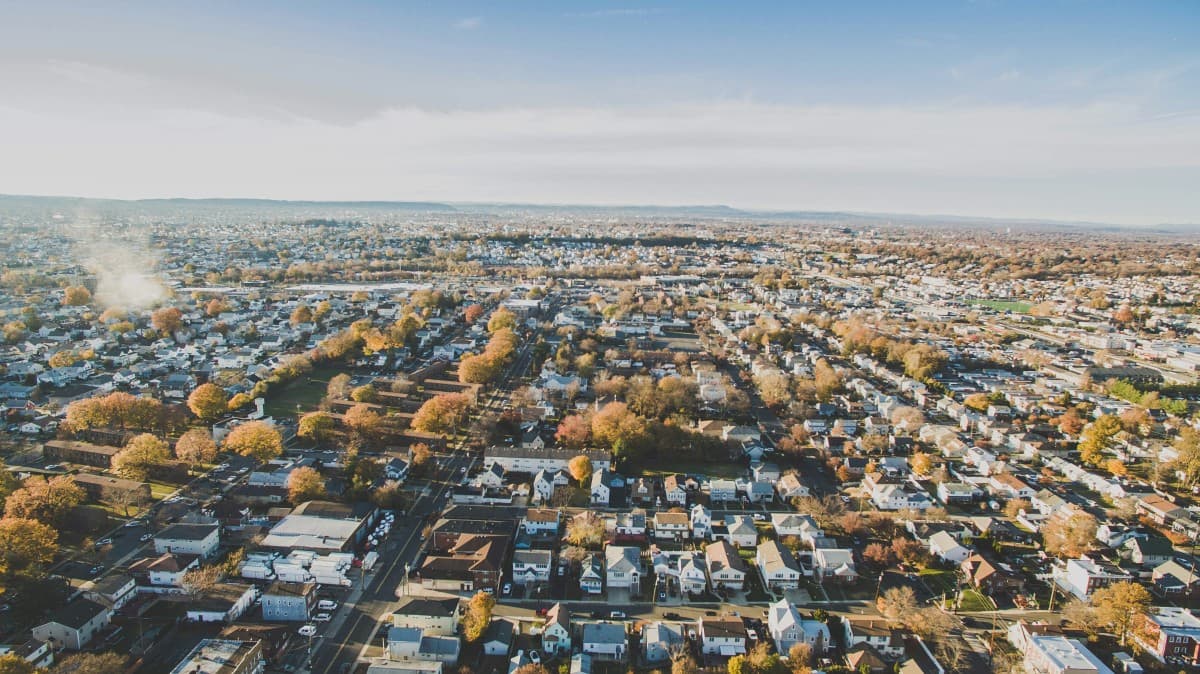
Paramus, NJ
As 2025 comes to a close, New Jersey’s real estate market reflects a year defined by recalibration rather than extremes. After the volatility of the early 2020s—first fueled by record-low mortgage rates and later restrained by sharp rate increases—the past year marked a return to steadier conditions. The result has been a housing market that feels more deliberate, more balanced, and better aligned with long-term fundamentals.
Across much of the state, home prices in New Jersey held relatively stable in 2025, with modest appreciation in some regions and flatter performance in others. The dramatic bidding wars that once defined the market became far less common. Instead, buyers gained the ability to negotiate, conduct inspections, and move at a more traditional pace—an important psychological shift for both sides of the transaction.
This reset in buyer behavior has been one of the year’s most defining characteristics. Rather than chasing whatever came to market, today’s buyers are prioritizing livability, long-term value, and financial sustainability. That change has reshaped demand patterns across the state, with well-located, well-maintained homes still attracting attention, while overpriced or less functional properties take longer to sell.
Interest Rates and the Affordability Conversation
Mortgage rates remained the dominant force shaping New Jersey housing trends in 2025. While rates showed signs of stabilizing after earlier peaks, they continued to influence affordability—especially in higher-priced areas such as North Jersey and many coastal communities. For some households, that reality shifted buying timelines. Others responded by adjusting expectations, downsizing, or seeking value in emerging neighborhoods.
Affordability pressures also encouraged a growing number of homeowners to stay in place and renovate rather than re-enter the buying market. That trend supported continued interest in home improvements, energy-efficiency upgrades, and outdoor living enhancements throughout much of the state.
SUBSCRIBE TO THE HAVEN MAILING LIST
Curated homes, market intelligence and design stories — a few emails a month.
No spam. Unsubscribe any time.


Lifestyle Priorities Take Center Stage
Beyond pricing and interest rates, New Jersey lifestyle trends in 2025 played an increasingly important role in shaping the market. Remote and hybrid work flexibility remained common, even as some employers increased in-office expectations.
Communities such as Princeton, Montclair, and Hoboken continued to draw attention for their walkable downtowns and atmosphere. At the same time, suburban towns with access to green space, commuter trains, and revitalized town centers gained renewed interest from buyers seeking a convenient suburban lifestyle.
Sustainability also gained traction, particularly in renovations, energy-efficient systems, and solar adoption where incentives were strongest. These choices reflected a broader move toward intentional housing decisions rather than purely financial ones.
What to Expect from New Jersey’s Housing Market in 2026
Looking ahead, the New Jersey real estate outlook for 2026 is cautiously optimistic. Many market watchers expect transaction activity to increase as buyer confidence improves and inventory levels slowly recover. While mortgage rates remain a key variable, even modest improvements could unlock pent-up demand from buyers who paused over the past two years.
Rather than a return to speculative behavior, the likely story for 2026 is selective growth. Buyers are expected to remain focused on condition, location, and long-term usability. For sellers, that means success will depend less on speed and more on realistic pricing, thoughtful presentation, and understanding what today’s buyers truly value.
A Market Moving Back to Fundamentals
What 2025 ultimately revealed is that New Jersey’s housing market is maturing after a turbulent cycle. The state’s underlying strengths—proximity to New York and Philadelphia, diverse employment centers, established communities, and strong schools—continue to anchor demand even as the market evolves.
As New Jersey moves into 2026, the real estate landscape is no longer defined by urgency or scarcity alone. Instead, it is being shaped by clarity, selectivity, and a growing emphasis on lifestyle-driven decision-making. For buyers and sellers alike, the coming year is likely to reward preparation, patience, and a focus on long-term fit over short-term momentum.