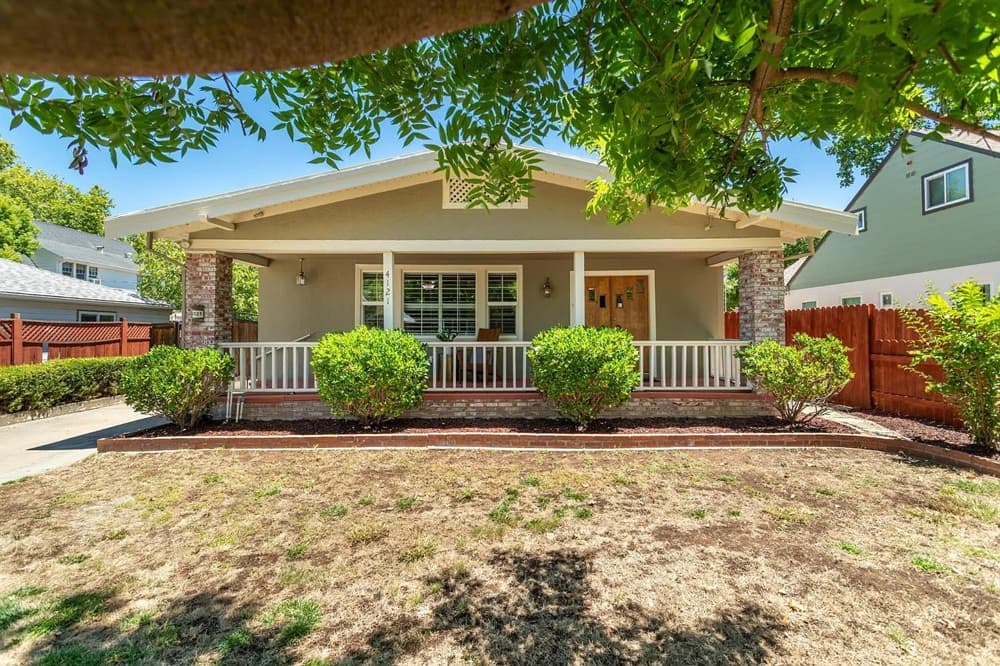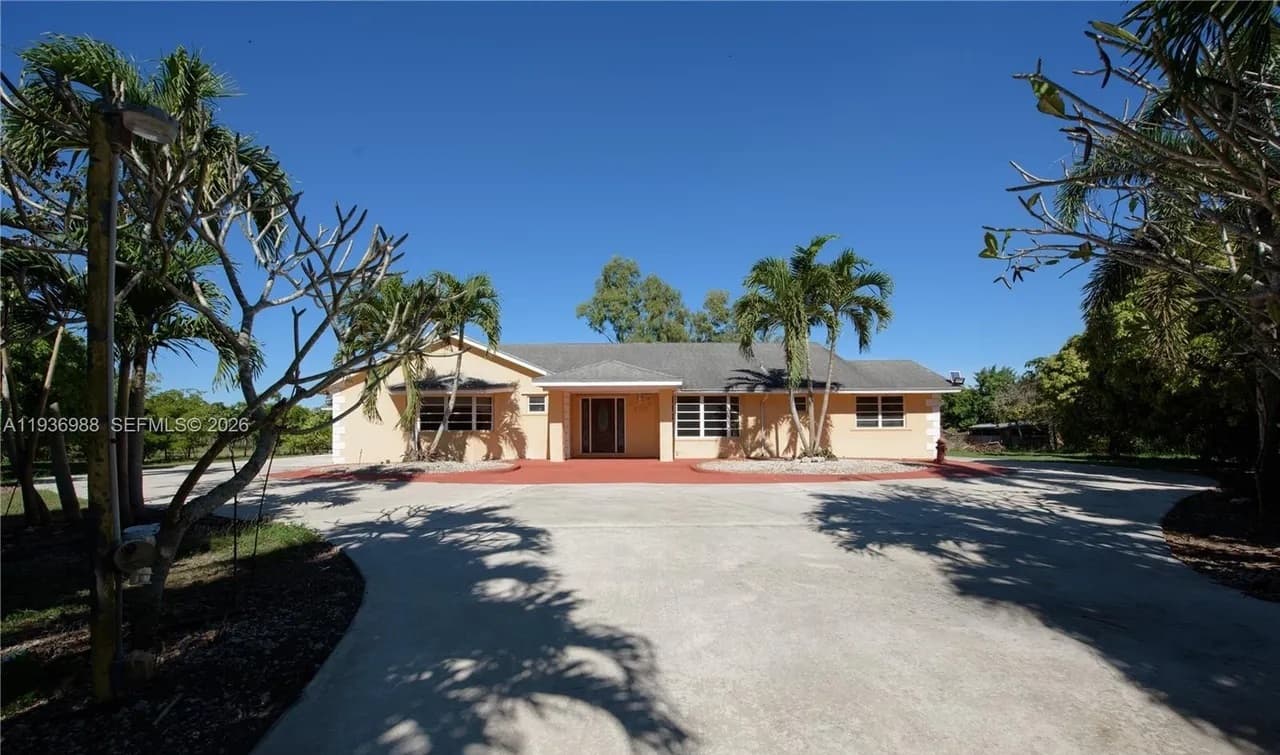


Atlanta, GA
In the U.S. housing market, the latest data show more competition among sellers and a tougher financing environment for buyers. Redfin estimated that there were 58% more sellers than buyers nationwide in August, the widest gap in its records dating to 2013.
More sellers are cutting prices or offering concessions. Mortgage rates have also climbed heading into October, limiting how much buyers can benefit from additional inventory and greater negotiating room.
Price Cuts Become More Common
During the four weeks ending September 20, 21.1% of U.S. home sellers with active listings cut their asking price, up from 19.8% last year and the highest share for that point in September in Redfin’s records dating to 2022.
Among the 50 most populous U.S. metros, Denver had the largest share of price cuts at 30.9%, followed by Indianapolis at 29.9%, San Antonio at 26.8%, Dallas at 26.6%, and Austin at 26.1%.
Sale prices, however, remain above last year’s level nationally. The National Association of REALTORS® reported that the median existing-home sales price reached $429,100 in August, up 1.6% year over year. Existing-home sales declined 2% from July and 1.2% from a year earlier, while unsold inventory increased to 1.62 million homes, equal to a 4.9-month supply.
Price trends vary considerably across the country. The S&P Cotality Case-Shiller U.S. National Home Price Index increased 1.9% year over year in July. Among the 20 cities tracked, Chicago recorded the highest annual increase at 6.9%, followed by New York at 5.8% and Cleveland at 4.2%. Seattle ranked last, with prices down 1.6%.
Those differences help explain why national price growth can coexist with very different buyer behavior from one market to another. New York, despite posting one of the strongest annual gains, still shows buyer resistance to overpricing. Robert Rahmanian, co-founder of REAL New York, said overpriced listings can lose buyer interest before eventually requiring a reduction. In the Hamptons, Patrick Galway, a licensed real estate broker with William Raveis Real Estate, sees buyers taking a similar approach: “If a home is priced outside a buyer’s range, they often won’t even look at it.”


Denver, CO
SUBSCRIBE TO THE HAVEN MAILING LIST
Curated homes, market intelligence and design stories — a few emails a month.
No spam. Unsubscribe any time.
Inventory Rises as Buyer Activity Slows
Buyer activity remains lower than a year ago. During the four weeks ending September 13, pending U.S. home sales were down 5.4% year over year and reached their lowest level in nearly three years, according to Redfin. Active listings and new listings were both 1.5% above year-ago levels. As inventory increases, buyers can be more selective about condition and ownership costs.
That greater selectivity is also showing up in New York City at the property level. Melissa Leifer, licensed real estate salesperson at Keller Williams NYC, said buyers have more room to negotiate on listings that have been sitting, but newer listings can still draw competing offers. Caroline Bass, associate broker at Corcoran, said Manhattan buyers are scrutinizing total monthly costs, while Denae Montesi, licensed real estate broker at William Raveis NYC, noted that strong building financials can also help a property during due diligence.
That dynamic is less pronounced where comparable properties are scarce. Lauren Balbuena, SVP of Hamptons and NYC, said Hamptons buyers have more choices than they did during the pandemic market but still face limited inventory of standout properties, particularly turnkey homes in strong locations.

New York City
Seller Concessions Gain Ground
Price reductions are only one way sellers are competing for buyers. In Redfin’s buyer-agent transaction data, 44.7% of U.S. home sales during the three months ending in August included a seller concession, up from 42.6% last year and the highest August share since at least 2020.
In August, 15.8% of homes sold had both a concession and a previous price cut. In several metros, that share was much higher: 72.8% in Atlanta, 67.9% in Charlotte, 67.4% in Phoenix, and 66.7% in Las Vegas. Among the 29 metros analyzed, San Jose had the lowest concession rate at 4.2%, followed by New York at 5.7% and San Francisco at 18.6%.
Sellers competing with a large number of similar listings may have more reason to offer closing-cost assistance, repairs, or rate buydowns, while sellers in lower-inventory markets may have less reason to do so.
Builders Lean More on Incentives
New construction is competing with resale inventory in many markets. The U.S. Census Bureau and Department of Housing and Urban Development reported that new single-family home sales rose 6.4% month over month in August to a seasonally adjusted annual rate of 684,000.
Sales remained 2% below August 2025, while the median new-home sales price fell 5.8% year over year to $393,700. The supply of new homes stood at 8.5 months at the August sales pace.
Builders are also relying heavily on incentives. In September, 38% of builders surveyed by the National Association of Home Builders reported cutting prices, up from 35% in August. Sixty-six percent were using sales incentives, the highest share since December.
That competition gives buyers another option and puts added pressure on resale sellers in markets with substantial new construction. Those sellers may be competing with new homes carrying price reductions, closing-cost assistance, or financing incentives.

Phoenix, AZ
Mortgage Rates Move Higher
Financing became more expensive heading into October. The average 30-year fixed mortgage rate reached 7.28% on October 1, according to Freddie Mac, up from 7.03% the previous week and 6.34% a year earlier.
The increase limits how much some buyers can benefit from price reductions or concessions. A lower purchase price does not necessarily produce a lower monthly payment when borrowing costs have risen at the same time.
The effect can be particularly noticeable in lower-priced segments where more buyers rely on financing. Nick Rafter, a licensed real estate salesperson with BOND New York, said higher rates have narrowed the buyer pool for some lower-priced New York City apartments. Cash buyers can hold an advantage when several offers emerge, while some co-op sellers are adjusting prices or offering concessions to meet the budgets of financed buyers.
October begins with more negotiating room for buyers in many parts of the country, but not broad price declines across the entire market. National prices remain above last year’s level, while more sellers are cutting asking prices, concessions are common in several markets, and builders are using incentives to compete for buyers. Higher mortgage rates limit some of that advantage, leaving local inventory, financing, and the individual property central to how a sale unfolds.